Presentation
A full-spectrum program to develop expertise in gastronomic communication and storytelling.
The Master’s in Gastronomic Communication and Journalism combines online training with an intensive on-campus period at Basque Culinary Center, providing a strategic vision of gastronomy and its impact on culture and digital media.
Throughout the Master’s, you will develop key skills in content creation, reportage production, and communication management for events and innovative gastronomic projects. You will learn to design effective strategies for specialized media, brands and gastronomic spaces, integrating storytelling tools, trend analysis and digital communication.
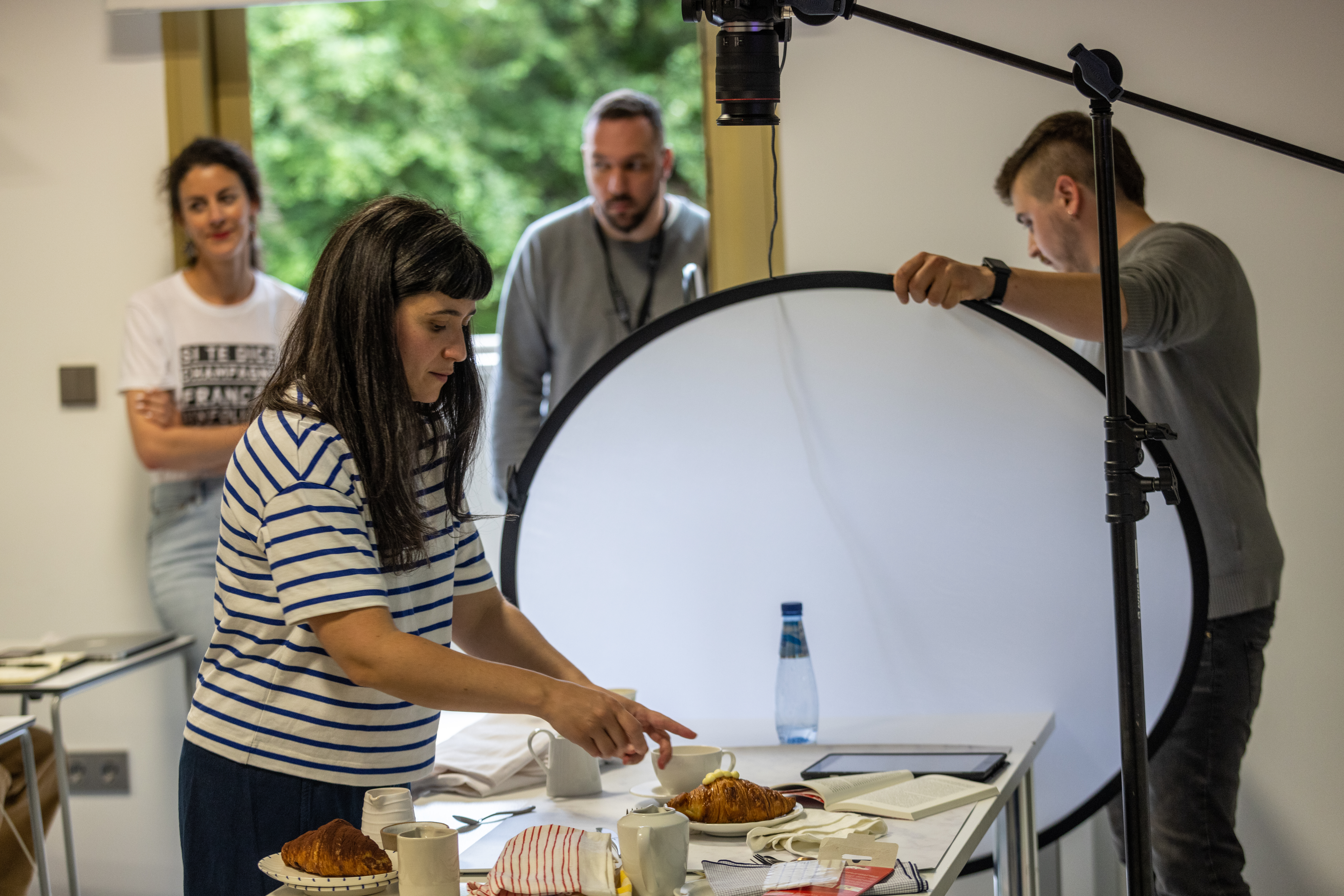
During the on-campus phase, you will delve into gastronomic journalism techniques through writing workshops, interviews and multimedia production, working with industry experts. You will also take part in Learning Journeys that allow you to explore the gastronomic ecosystem from the inside, visiting specialized media, gastronomic congresses and other gastronomic business models.
By the end of the Master’s, you will be ready to take on roles such as Gastronomic Journalist, Strategic Gastronomic Communication Consultant or Communication Manager in Media and Restaurants, always with a critical and creative approach adapted to the sector’s digital transformation.
Why take this master’s
1 - You will gain comprehensive training to specialize as a gastronomic communication and journalism professional, able to create and manage valuable content for media, brands and gastronomic spaces.
2 - You will master methods and techniques of writing, content production and transmedia narratives applied to gastronomic journalism.
3 - You will learn to design effective strategies for specialized media, brands and gastronomic spaces, integrating storytelling tools, trend analysis and digital communication.
4 - You will learn from professionals in communication, gastronomic journalism and content strategy in the gastronomic sector.
5 - You will train with a learning by doing approach, through workshops, interviews, round tables, simulations and multimedia production.
6 - You will be able to put what you learn into practice in initiatives such as Gastronomía360, Basque Culinary Center’s own editorial project with professional impact.
7 - You will have access to spaces, tools and training environments of the BCC ecosystem during your on-campus stay.
8 - You will visit companies, media and gastronomic projects as part of your immersive training process.
9 - You will have the opportunity to apply what you have learned in companies related to gastronomic communication as part of the curricular internships.
10 - You will be part of the Basque Culinary Center community, with access to a network of experts, lecturers and alumni in gastronomy and communication.
11 - You will experience a one-month on-campus stay at Basque Culinary Center with workshops, visits, activities and trips to delve into gastronomic journalism from the inside.
Meet Nagore García Iglesias - Director of LACRÈME and Alumni
Master’s objectives
Train specialized professionals able to analyze, understand and take part in the complex processes, trends and keys to success needed to meet the growing demand for gastronomic content.
Foster a different and in-depth vision of gastronomy —contemporary, global and multidisciplinary— that looks beyond haute cuisine and helps develop the full potential of this sector.
Contribute to the professionalization of people working in gastronomic communication and move toward academic recognition that places it on the same level as other branches of communication.
Offer the values and knowledge students need to develop their own critical outlook and carry out their work with a strategic approach, aligned with the reality of the sector and the most innovative trends.
Provide the techniques and tools to design and execute any type of gastronomic project with responsibility and added value.
Master’s qualification
Having a university degree is not a requirement to take this master’s; however, holding one influences the admission process and the type of qualification obtained upon completion.
After completing the master’s, you will receive the Master’s Degree in Gastronomic Communication and Journalism from Basque Culinary Center.
If you hold university Bachelor’s studies (Licentiate, Engineering or Diploma) or equivalent, you will also be able to obtain the Lifelong Learning Master’s Degree from Mondragon University.
If you do not have university studies but wish to obtain the Lifelong Learning qualification, you may indicate this during the admission process to access competency recognition, which will assess your professional experience and career. If you pass it, once the program is completed you will be able to obtain the Lifelong Learning Master’s Degree. If you do not pass it, you can still take the master’s, but the qualification you will receive will be the University Extension Diploma.
Career opportunities
Upon completing the Master’s, you will have the competencies needed to work professionally in sectors linked to communication, journalism, marketing and the organization of gastronomic events. Some of the career paths include:
-
Media and content creation
- Writer, editor and producer of gastronomic content for websites, magazines, newspapers, radio, television, digital media and specialized publishers.
- Editor or food writer in media and books dedicated to gastronomy.
- Entrepreneur in journalistic projects, such as blogs, newsletters or new gastronomic content formats.
-
Gastronomic communication and marketing
- Communication and marketing manager for restaurants, hospitality groups and brands in the sector.
- Manager of gastronomic communication projects in specialized agencies, events or public institutions that promote gastronomy as a driver of economic development.
-
Events and gastronomic project management
- Curator and organizer of culinary congresses, fairs, symposiums and gastronomic gatherings of a national and international nature.
- Professional in the planning and execution of positioning and communication strategies for gastronomic initiatives with territorial or sectoral impact.
Study program
Food, culture and identity
- Gastronomy as a phenomenon
- Anthropology of food
- Gastronomic sociology
- Food and identity
History and new trends in gastronomy
- Overview of the main milestones of classical and contemporary gastronomy: from Antiquity to Escoffier
- Culinary movements that laid the foundations of gastronomy: from Nouvelle Cuisine to the present
- World cuisines
- Main contemporary trends and styles: slow food movement, fast food…
Local and global food system
- Food production, trade and policies
- Food security and hunger
- Challenges and opportunities for the food system: resource depletion, global warming, new technologies, global value chains, …)
Introduction to food science
- Principles of food physical chemistry
- Raw materials and products
- Gastronomy, nutrition and health
Basic principles of sensory analysis
- Sensory attributes of food
- Introduction to sommelier studies
How does a restaurant work?
- Inner workings of a restaurant: roles, production, creative processes, image management…
- The restaurant team
What is gastronomic journalism today?
- Retrospective of gastronomic journalism and why it matters
- Evolution and challenges of gastronomic journalism in the digital era: from recipes to the #metoo movement
Current ecosystem of gastronomic communication
- Map of gastronomic communication media: media outlets, specialized websites/influencers, chefs, public institutions, governments, companies, etc...
- Entrepreneurship and communication in gastronomy
Genres and writing techniques
- Journalistic genres applied to gastronomy I (News, interview, reportage, chronicle, recipes)
- Journalistic genres applied to gastronomy II (Opinion, criticism)
- Techniques for writing gastronomic content (journalistic and corporate)
Research and ethics
- Sources of information and documentation (offline and online)
- Ethics and a critical outlook in gastronomy
Voices and representation in gastronomy
- New actors on the gastronomic scene (staff, suppliers, women, new perspectives)
- The future of gastronomic journalism
- Challenges such as inequality, gender, representation, cultural appropriation
Creation and planning of gastronomic media
- Content consumption habits (offline and digital)
- Business models in media
- Design and management of a gastronomic journalism project (online magazine)
- Tools for website design
Introduction to strategic communication in gastronomy
- Creative management of gastronomic communication
- Conceptualization of communication projects
- Project design and execution
Image and graphic editing
- Image selection and editing
- Documentation and positioning of images online
- How to tell a story with images
New narrative forms
- Audiovisual languages
- Principles of storytelling
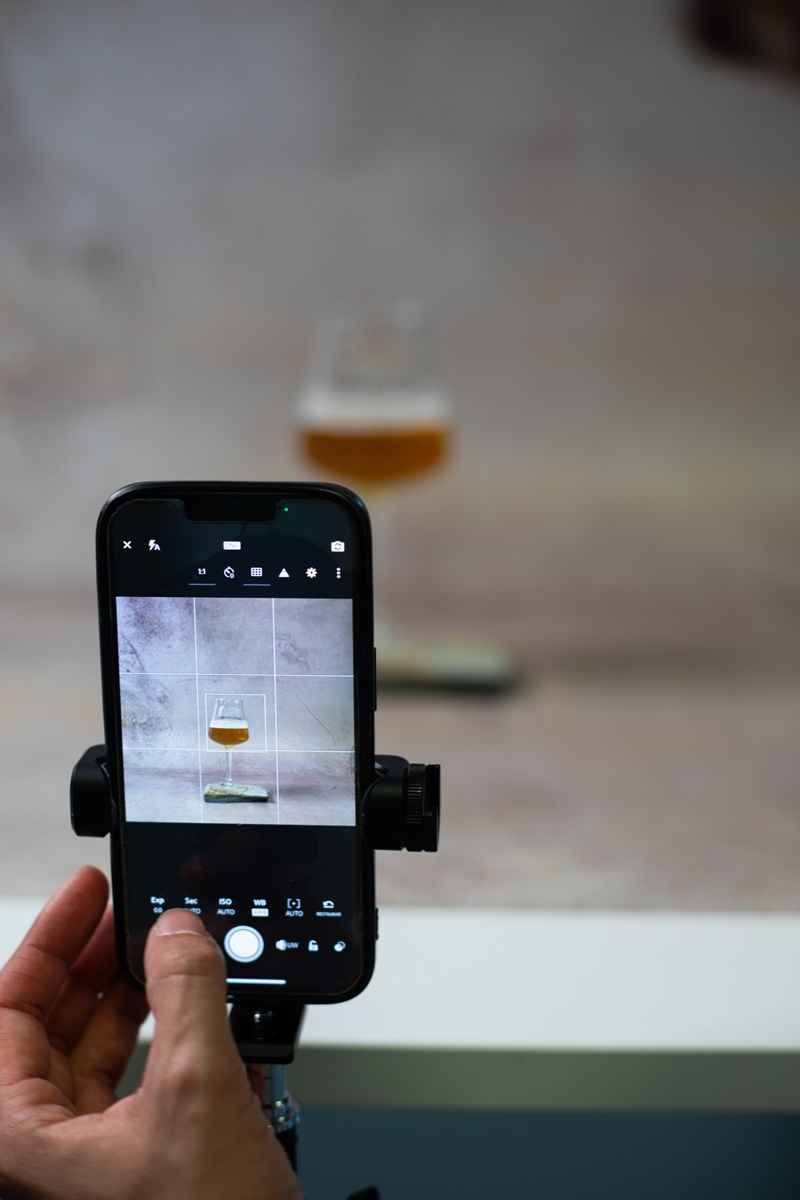
- Techniques and tools for producing video with a smartphone
- Documentaries: principles and objectives
Food design and gastronomic experience
- Introduction to Food Design
- Design thinking in gastronomy
- How to design the entire gastronomic experience
Strategic use of social media
- Current social media ecosystem relevant to gastronomy
- Profiles and content curation
- Audience measurement and analysis
- Content positioning
Design of a comprehensive strategic communication plan
- Brand building (Branding)
- Planning and strategic content
- Introduction to digital marketing
- Strategic design of gastronomic events
- External communication management (online reputation and crisis)
- Gastronomic events
Strategic use of digital analytics
- Marketing and analytical communication
- Monitoring tools
- Analysis and decision-making based on metrics
- CRM and customer communication
The Master’s Final Project aims to integrate and apply the knowledge acquired throughout the program through the development of an individual project. This may take different approaches: from drawing up a communication plan for a restaurant or other organization, the strategic planning of a congress or other gastronomic event, to a proposal to create a digital media outlet specialized in gastronomy.
During this process, the student will have the support of a tutor, who will guide them in planning and carrying out the project.
On this Master’s, internships are carried out in both national and international companies. You will have advice from the coordinator to evaluate options and adjust expectations. It is important to bear in mind that internships require a full-time dedication of 3 months. If you have a senior profile, you will be able to validate previous experience.
Some examples of the types of companies and centers where you will do internships are:
- Media outlets in traditional or digital formats with sections dedicated to Gastronomy.
- Communication and Marketing departments of restaurants and foodservice companies.
- Communication agencies.
- Radio stations, podcasts or television.
- Publishing houses and congresses specialized in gastronomy.
- Companies and public institutions focused on gastronomy and food.
Who it’s for
The Master’s in Gastronomic Communication and Journalism is designed for professionals seeking to specialize in gastronomic storytelling and communication and develop advanced skills in content creation, communication strategies and gastronomic journalism across different formats and media.
This Master’s is for:
Graduates and degree holders in journalism, communication, marketing or gastronomy who want to develop their career in media, agencies or companies in the gastronomic sector.
Professionals in communication, journalism or marketing seeking to specialize in the gastronomic sector.
Professionals in the gastronomic sector and the food industry who want to acquire tools of communication and gastronomic journalism.
Specialists in gastronomic communication looking to refine their skills and expand their impact in the sector.
Entrepreneurs and gastronomic content creators interested in launching or strengthening editorial projects, blogs, newsletters or specialized digital media.
- Professionals from other sectors who want to redirect their career toward gastronomic communication and journalism.
Don’t see yourself reflected in the points above and are you interested in the Master’s?
If your qualification or experience is not included in the lists and you are interested in this Master’s, contact us so we can assess your case and provide personalized information.
Calendar
| Periods | Dates | Schedule |
|---|---|---|
| Introduction to the learning platform | At the start of the academic period | You will have the opportunity to familiarize yourself with the course methodology and the learning platform. |
| Academic period | From 5 October 2026 to 27 May 2027 | — |
| Online period | From 6 October 2026 to 23 April 2027 | Tuesdays and Thursdays, from 18:00 to 20:00 (CEST) |
| On-campus period | From 3 to 27 May 2027 | Monday to Friday, from 15:00 to 20:00 (CEST) |
| Internship period | Between 15 June and 14 November 2027 | — |
| Master’s Final Project presentation | September 2027 | — |
Methodology
The Master’s in Gastronomic Communication and Journalism is delivered through the learning by doing methodology, based on practice, experimentation and collaborative learning. This approach allows you to acquire fundamental competencies and progress toward specialized applications. The curriculum is designed in progressive phases, integrating theoretical classes with practical activities and real projects.
This Master’s combines structured online training with an on-campus stay at Basque Culinary Center.
Online period
- Live classes: Interactive sessions with challenges and applied workshops in gastronomic communication and journalism.
- Audiovisual resources: Access to interviews, reports and demonstrations on communication strategies and content creation.
- Interactive activities: Group forums and narrative exercises to develop creativity and critical analysis in gastronomic communication.
- Follow-up: Tutoring focused on developing journalistic skills, communication strategies and innovative gastronomic narratives.
On-campus stay
- Masterclasses and seminars: Delivered by leading figures in gastronomic journalism, strategic communication and specialized media.
- Real case analysis: Debate dynamics on communication campaigns, editorial strategies and business models in gastronomic media.
- Practical exercises: Audiovisual content production, specialized writing and communication management for gastronomic events.
- Learning Journeys: Visits to media, congresses and gastronomic spaces for an immersion in applied gastronomic communication.
*Some activities may be in English. We recommend having a B2 (upper-intermediate) level to follow them without difficulty; an official certificate is not required.
Master’s Final Project
As a fundamental part of the training process, students will develop a Master’s Final Project individually. This work is an opportunity to apply in a practical way the knowledge acquired during the program, through a structured piece of work around a specific theoretical framework.
Throughout the project, the student will have the guidance of an academic tutor who will advise them on the project proposal, definition of objectives, planning, analysis and presentation of results. The aim is to foster autonomy, critical capacity and well-founded decision-making.
The Master’s Final Project culminates with the submission of a written report and its oral defense before an evaluating panel, which makes it possible to assess not only the technical content, but also the student’s communication and argumentation skills.
Curricular internships
You will be able to put your knowledge into practice and gain experience relevant to your professional career. During the process, we manage your internships, taking into account your profile and the opportunities available. You will also have an information session and personalized advice with the coordinator to evaluate options and adjust expectations. It is important to consider your current situation and professional goals, as internships require a full-time dedication of three months, with the possibility of extension. If you have a senior profile, you will be able to validate your previous experience.
Faculty
The Master’s in Gastronomic Communication and Journalism has a teaching team made up of professionals in communication, gastronomic journalism and content strategy in the gastronomic sector.
This team combines academic experience with a practical approach, integrating experts and lecturers from both the Faculty of Gastronomic Sciences (Basque Culinary Center) and specialized professionals from leading companies and institutions in the sector.
Coordination
Rafael Tonon
Journalist, writer and researcher dedicated to sharing stories and information around gastronomy. His focus ranges from trends, traditions, compilations and lost knowledge to current topics linked to different branches of the industry.
In 2023 he was named Gastronomic Writer of the Year by Identità Golose. Thanks to his collaborations with media such as Fine Dining Lovers, The Washington Post, Eater, Munchies (Vice), Slate, GQ, ELLE and Atlas Obscura, among others. He has also worked at Editora Abril, the largest publishing group in Latin America. He is also the author of the book of reflections on gastronomy titled “As revoluções da comida: O impacto de nossas escolhas à mesa”.
Lecturers and collaborators
The Master’s also incorporates the participation of organizations and experts from industry and academia, who provide an up-to-date perspective. This team may vary in each edition to ensure the best combination of specialized knowledge and innovative perspectives. For example:
Profesora BCC
Sasha is a Venezuelan journalist and writer with over 15 years of experience in communication, content conception, production, and editing, as well as creative project management in the field of gastronomy. She coordinates gastronomic events such as "Diálogos de Cocina" (Spain) and "Mesamerica" (Mexico). Sasha has authored books like "50 Miradas: un recorrido por la gastronomía contemporánea" (BCC, 2018) and "Gastronomía: Diálogos en torno a la cocina de hoy y mañana" (BCC, 2021). Beyond her work in communication, Sasha drives ideation and research projects in collaboration with restaurants like Mugaritz and organizations like Basque Culinary Center, where she currently oversees initiatives such as Basque Culinary World Prize and the editorial platform Gastronomía 360. Her motto is "I eat, therefore I am."
Profesora BCC
Economist with 15 years of experience in economic journalism and the last 12 years focused on gastronomic journalism. Creator of Gastroeconomy, a portal for business gastronomy information and culinary trends. Independent journalist for various media.
Colaborador experto
James Beard Award nominee and IACP award-winning writer. Co-author with Virgilio Martínez and founder of New Worlder. His work focuses on biodiversity, sustainability, and the future of cuisine in the Americas.
Colaborador experto
Harold is a renowned author, food scientist, and culinary expert. His groundbreaking research in the science of cooking has illuminated the world of gastronomy. Author of the influential book 'On Food and Cooking,' widely regarded as the 'culinary bible,' McGee has explored and explained the scientific processes behind cooking, changing the way we understand and appreciate food. His literary background and focus on the connection between science and cooking make him a prominent figure in the world of gastronomy and culinary writing.
Colaboradora experta
Lakshmi is a writer. She currently works as a freelance writer for media outlets such as El Comidista (El País), Condé Nast Traveler, Guía Repsol, and The Objective. She also has her own opinion column in Bon Viveur. A passionate lover of cinematic art, Lakshmi advocates for slow journalism, reflection, and critical thinking. These values are reflected in her various publications, teaching environments, and editorial work. Among her recent projects is a collection of gastronomic essays titled "Escribir gastronomía: La mejor escritura gastronómica de 2022 en español" in collaboration with Catalan journalist Marc Casanovas.
Colaborador experto
New York-born writer based in Puerto Rico. Author of No Meat Required and the newsletter From the Desk of Alicia Kennedy. Her work explores food culture, sustainability, and beer. She teaches and lectures internationally.
What our alumni say
I now understand that gastronomic journalism has to move away from light recommendations or exaggerated criticism. It has to cover food in a very broad sense, with responsibility and rigour. And it also has to compete on mass platforms, such as TikTok, while maintaining a very high ethical and quality standard. This month at Basque Culinary Center has been impressive. It enriched my knowledge in an incredible way. And not only from the lecturers, but also from my classmates. We formed multidisciplinary teams where everyone can learn from everyone else. It is constant knowledge, from the moment I wake up until I go to sleep. What unites us is a passion for gastronomy. Even if we are not from the same countries, we all speak the same language.
Diego Andrés Martorell Bavestrell
Alumni
As a gastronomic influencer, I understood something key on this master’s: if you have an audience, the least you can do is communicate with responsibility. We all have the right to talk about food, because we all have senses. But doing so with ethics is what makes the difference. Gastronomic journalism can and must also transform. As Pepe Mujica said, consumerism is stronger than any army. Journalism has the power to communicate this, to have a positive impact on the planet.
Paola Cristina Auquilla Romero
Alumni and gastronomic influencer
Meet our students
Admission process
The Master’s in Gastronomic Communication and Journalism has an admission process that ensures candidates have the academic level and competencies needed to successfully complete a demanding study program.
This Master’s is aimed both at professionals with university studies and at those who, without holding a university degree, can demonstrate relevant experience in the sector.
Basque Culinary Center’s admission system has a dual objective:
- To ensure that candidates have the academic level and personal competencies needed to successfully take on an innovative and practical study program.
- To check that the Master’s responds to the training needs and interests of the candidates.
1. Registration
Complete the online registration and pay the registration fee of €150 (refundable if you are not admitted).
Complete the Application Presentation Questionnaire, which will help us get to know your profile and your interests in the Master’s. To do so, have the following documents ready:
- Updated Curriculum Vitae.
- 1 passport-sized photo.
- Copy of your ID card or passport.
- Academic certificate of the studies completed (transcript, diploma or certificate). –Submitting certificates is not compulsory, but including them will be viewed positively if you have them.
2. Practical exercise
You will be given an exercise related to the gastronomic press and communication market. The aim is for you to carry out a personal analysis of a relevant aspect: how you perceive the market, current opportunities and challenges, as well as the key factors for developing as a professional in this field.
3. Profile and competency assessment
You will take part in an online personal interview with the Master’s coordination team. Your training, experience and motivation will be assessed. The result of the practical exercise submitted previously will also be taken into account.
4. Decision on your application
Within a maximum of 2 weeks from the interview, we will inform you of the decision on your application.
5. Place reservation
You must pay 25% of the Master’s fee within the indicated period to reserve your place.
Enquiries and further information at: cursos@bculinary.com
Points to remember
This is a Lifelong Learning Master’s. To obtain the qualification it is necessary to hold university Bachelor’s studies (Licentiate, Engineering or Diploma).
- If you do not have university studies, you will be able to accredit the required competencies through a specific process parallel to the admission process.
- If you pass this process and the training program, you will obtain the Lifelong Learning Master’s Degree.
- If you do not accredit those competencies, you will obtain the University Extension Diploma in Gastronomic Communication and Journalism after completing the program.
Notice for international students
To take a training program lasting more than 90 days, students from countries outside the Schengen area (see the list of countries) need to process a LONG-TERM STUDENT VISA in order to reside legally in Spain. The Faculty will provide each student with the documentation needed to process the visa once the place reservation has been confirmed.
In addition, the student must complete the remaining requirements indicated by the Spanish Embassy. You can consult the full process in this section on procedures before travelling. Basque Culinary Center will provide the following academic documentation, required to process the visa:
- Enrollment certificate signed and stamped by Basque Culinary Center.
- Training program stamped by Basque Culinary Center.
- Academic calendar stamped by Basque Culinary Center.
Fees and payment
Total Master’s fee: €12,275
Payment method:
- €150 as a registration fee (fully refundable if you are not admitted).
- €3,031.25 (25% of the total) upon confirmation of admission, as a place reservation.
- 3 installments of €3,031.25, to be paid in October, December and February.
FINANCING OPTIONS - FIND OUT MORE
Would you like to invest in your professional future, but need support to do so? We have financing options to facilitate access to our training programs. If you would like more information, complete the following form.
The Master’s fee includes:
- Academic materials and access to the learning platform.
- Learning Journeys (transport expenses).
- Masterclasses with guest professionals.
- Management of curricular internships.
- Issuance and sending of the diploma/certificate.
- Access to more than 5,000 references in the Faculty Library.
- Registration in the Basque Culinary Center alumni service: Bculinary Alumni.
As a member of the BCC Alumni community, you have access to exclusive discounts on our programs and training activities. Below are the benefits available depending on the training you have previously completed:
I AM A BACHELOR’S OR MASTER’S ALUMNI
- 10% discount on Master’s programs
- 10% discount on Specialization Courses
- 10% discount on Intensive Courses, workshops, seminars and master classes
- 10% discount on WSET Courses (Levels 1, 2 and 3)
I AM A SPECIALIZATION COURSE ALUMNI
- 5% discount on Master’s programs
- 5% discount on Specialization Courses
- 10% discount on Intensive Courses, workshops, seminars and master classes
- 10% discount on WSET Courses (Levels 1, 2 and 3)
To benefit from the discount, if you want to take a master’s or specialization course (either online or on-site) you must complete the registration process as usual. The discount percentage will be applied to the last installment of the course and you will be notified at that time. After registering, you can let us know that you are Alumni by emailing alumni@bculinary.com. If you register with your @alumni account, this last step is not necessary. If the tuition fee is paid in a single payment, please contact alumni@bculinary.com before registering to request the discount code you need to enter during the registration process.
If a visa is required due to nationality, a type C (Schengen) visa must be requested to enter Spain.
International students must travel with the official documentation accrediting their enrollment on the course and proof of the health insurance that will cover them during their stay in Spain.
SCHOLARSHIPS AND FINANCIAL AID FOR MASTER’S PROGRAMS
Due to the official nature of the degree, students legally residing in Spain may apply for public scholarship or aid programs. International students can also seek funding and scholarships from institutions in their home countries that support studying abroad.
ERASMUS+ SCHOLARSHIPS
Students may apply for international mobility aid to complete internships in Europe under the Erasmus+ program.
EMPLOYABILITY SUPPORT FOR STUDENTS
To support students in finding employment during or after their studies, students on this Master’s will receive information on job offers received by the faculty.
During their stay they may also apply for the study-work scholarships offered by the Faculty and provide services in different departments: R&D, operations, cafeteria, etc.