Presentation
Apply a design-driven perspective to the creation of gastronomic projects
The master’s in Food Design: Innovation in Products, Services and Experiences is designed for professionals looking to develop creative strategies, optimise processes and generate impact in the food industry. Through a methodology learning by doing, this master’s combines strategic design, applied creativity and project management to transform the way we interact with food.
Throughout the master’s, you will work with design and innovation tools such as design thinking methodologies, prototyping processes, sensory analysis, experience design, visual storytelling and sustainability strategies, applied to real projects in collaboration with industry professionals.
If you want to specialize in Food Design with a strategic vision that can be applied to the market, this program will equip you with the necessary competencies.
Why take this master’s
1 - You will specialize in Food Design with a strategic, creative and applied vision, developing products, services and experiences that transform the way we interact with food.
2 - You will master design thinking tools, sensory analysis, visual storytelling and sustainability strategies, applied to real projects.
3 - You will adopt disruptive and flexible approaches to address contemporary challenges in the food industry from an innovative perspective.
4 - You will learn from an expert teaching team and a network of guest professionals who bring technical knowledge, a global vision and opportunities for connection.
5 - You will apply a hybrid educational model, with interactive online methodology and intensive in-person sessions, oriented to practice and collaborative creation.
6 - You will work on real projects during two months of immersion, with visits to companies and key actors in the food ecosystem.
7 - You will experiment in an active learning environment, handling and analyzing products from multiple perspectives: sensory, technical, cultural and technological.
8 - You will collaborate in multidisciplinary and multicultural teams, generating synergies in a global, integrated context.
9 - You will be part of Basque Culinary Center and GOe Gastronomy Open Ecosystem, accessing a global network of leading institutions and professionals in the sector.
10 - You will be part of the Basque Culinary Center academic community, a world-leading institution in gastronomy, creativity and applied innovation.
11 - You will discover a unique vision of design applied to food, as part of a pioneering master’s in Food Design taught from a world-leading gastronomy university.
What competencies will you develop on this master’s
Analyze current challenges in food from a holistic vision, evaluating existing products and services to detect opportunities for innovation.
Explore the intersections between design, food and drink, understanding Food Design as a strategic tool for transformation.
Apply design thinking and innovation methodologies, integrating culinary, scientific, technological and social foundations.
Design applied Food Design projects aligned with global trends and market needs.
Propose creative and strategic solutions to current and future challenges in the gastronomic sector.
Master’s qualification
Having a university degree is not a requirement to enroll in this master’s program; however, holding one may influence the admission process and the type of qualification you receive upon completion.
After completing the master’s, you will receive the Master’s Degree in Food Design: Innovation in Products, Services and Experiences from Basque Culinary Center.
If you hold university undergraduate studies (Bachelor’s, Engineering or Diploma) or equivalent, you will also be able to obtain the Lifelong Learning Master’s from Mondragon University.
If you do not have university studies but wish to obtain the Lifelong Learning qualification, you may indicate this during the admission process to access the recognition of competencies, which will assess your experience and professional background. If you pass it, once the program is finished you will be able to obtain the Lifelong Learning Master’s. If you do not pass it, you will still be able to take the master’s, but the qualification awarded will be the University Extension Diploma.
Career opportunities
Upon completing the Master’s, you will be prepared to take on key roles in various areas related to gastronomy, design and food innovation. Some of the career opportunities include:
-
Food Industry and Product Development
- R&D specialist in food and beverages, designing and optimising innovative products.
- Designer of sensory experiences and packaging for brands in the food sector.
- Innovation manager in agri-food and foodtech companies.
- Researcher in technology centers linking science, gastronomy and design.
-
Consulting and Strategy in Food Design
- Consultant in gastronomic innovation and brand development.
- Specialist in trend analysis, consumer preferences and market strategies.
- Expert in brand design and positioning for gastronomic projects.
-
Hospitality, Dining and Events
- Chef or culinary professional specialized in designing gastronomic experiences.
- Designer of services and experiences in hospitality and restaurants.
- Innovation and customer experience manager in organized restaurants and hotels.
-
Entrepreneurship and Innovation
- Founder of food startups focused on innovation, sustainability and new formats.
- Creator of disruptive concepts in foodservice and restaurants.
- Entrepreneur in gastronomic design, applying innovation methodologies to launch your own products and services.
Study program
- 21st-century food challenges
- New food paradigms
- Sustainable development: environmental, economic and social impact
- Food and eating: what are we eating?
- The union of gastronomy and design
- From subsistence eating to 360° gastronomy
- Principles of design and aesthetic references
- Design thinking and methodologies
- Creative processes
- Digital design tools
- Project development. Phases
- Food design as a tool for transformation
- Architecture of food: food as a design object
- Food designer: role and challenges
- Consumption trends and new eating habits
- Economic viability
- Basic processes in the food industry
- Principles of nutrition-health
- Basic culinary processes and functionalities
- Basic processes and functionalities in beverages
- Introduction to neuroscience and gastrophysics
- Sensory analysis and perception
- Food aesthetics and visual languages
- Techniques for avant-garde gastronomy, R&D and Food tech
- Design of new edible products
- Food Retail and design of food spaces
- Food containers and packaging design
- Design of objects and utensils
- Food service design
- Gastronomic events and experiences
- Gastronomic communication and neuromarketing
- Future food scenarios
- New agri-food technologies
- Food art: food as an artistic medium
- Gastronomic tourism
- Digital food: metaverses, cryptoflavors and artificial intelligence
- Gastronomy as speculative design
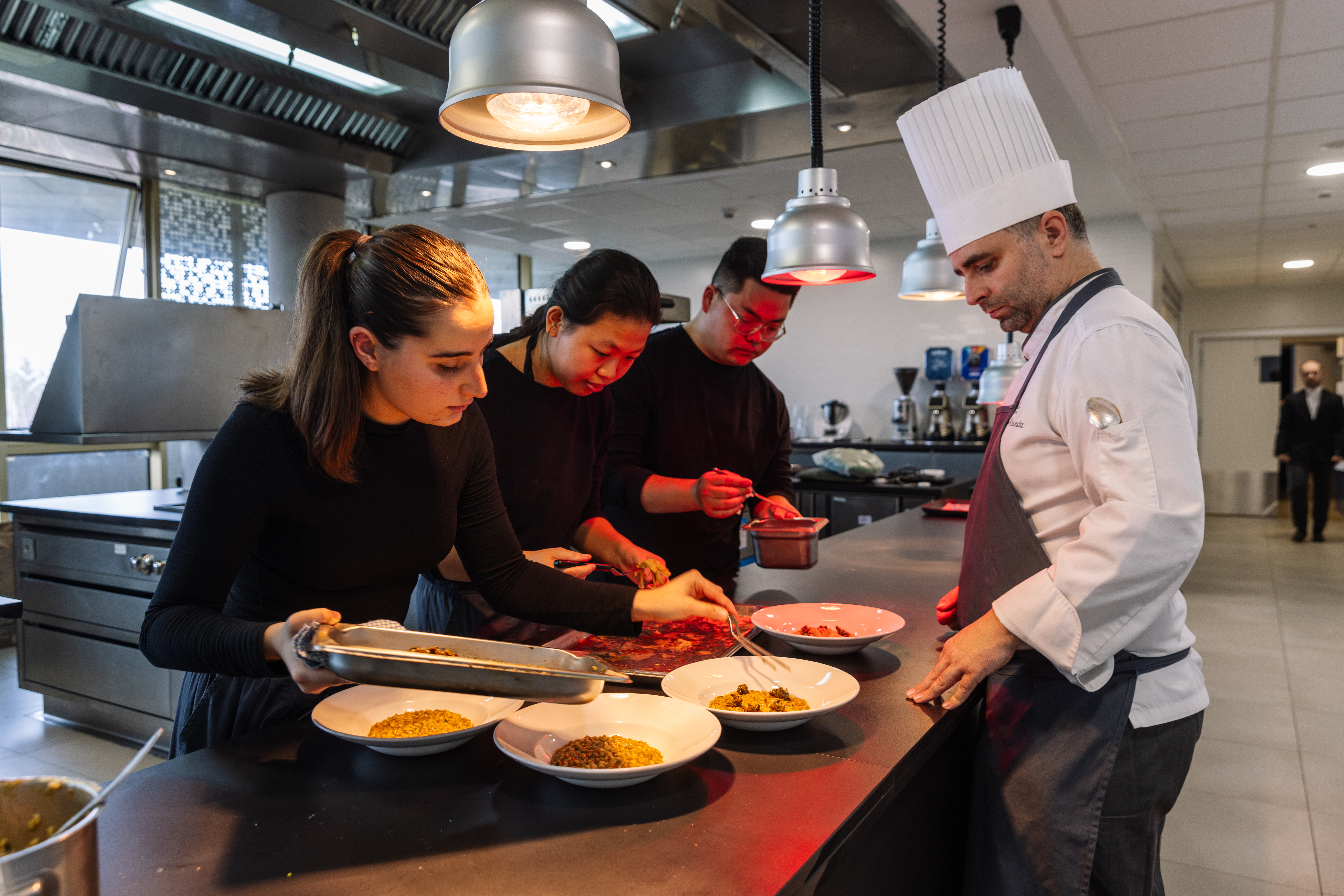
Team Challenge: work with real food, with gastronomy professionals using Basque Culinary Center facilities. Designing a transversal project in 15 days. From idea/concept to prototype and materialisation of the product.
The Master’s Final Project aims to apply in an integrated way the knowledge acquired throughout the program by developing an individual project. This project focuses on developing proposals in the gastronomic field, and may take the form of the design of a new gastronomic product, service or experience.
During this process, the student will have the support of a tutor, who will guide them in the planning and execution of the project.
On this Master’s, internships take place in both national and international companies. You will have the coordinator’s advice to evaluate options and adjust expectations. It is important to bear in mind that internships require 3 months of full-time dedication. If you have a senior profile, you will be able to validate previous experience.
*Some activities may be in English. We recommend having a B2 (upper-intermediate) level to follow them without difficulty; an official certificate is not required.
Who it’s for
The Master’s in Food Design: Innovation in Products, Services and Experiences is designed for professionals looking to specialize and develop advanced competencies in strategic design, product development and user experience in the food sector.
This Master’s is for:
- Graduates and diploma holders in design, gastronomy, food sciences, marketing or related fields who want to specialize in Food Design.
- Professionals in the gastronomic sector (restaurants and hospitality) such as chefs, cooks, pastry chefs, restaurant managers, consultants, or staff in hotels, catering, cruises or theme parks.
- Operations and innovation managers who lead experiences and business models in food.
- Graphic, product or industrial designers focused on conceptualisation, equipment or food technology.
- R&D and food technology specialists looking to apply design to new sustainable products.
- Consultants and marketing agencies interested in branding, communication and food trends.
- Event managers who organize gastronomic experiences and want to raise their differentiation.
- Journalists, writers, artists or creators interested in exploring food as a narrative or conceptual medium.
- Other profiles:
- Creative profiles: interior design, packaging, fashion, UX, photography, art direction.
- Humanistic profiles: sociology, anthropology, psychology and other related disciplines.
Don’t see yourself reflected in the points above and are you interested in the Master’s?
If your training or experience is not included in the lists and you are interested in this Master’s, contact us so we can assess your case and provide personalised information.
Calendar
| Periods | Dates | Schedule |
|---|---|---|
| Academic period | From 11 January to 2 July 2027 | — |
| Introduction to the learning platform | At the start of the academic period | Familiarisation with the course methodology and the learning platform. |
| Online period | From 11 January to 9 May 2027 | Tuesdays and Thursdays, from 17:45 to 19:45 h (CEST) |
| On-site period | From 10 May to 2 July 2027 (8 weeks) | Monday to Thursday, from 15:15 to 20:15 h (CEST) |
| Internship period | From 19 July to 19 November 2027 | — |
| Master’s Final Project presentation | October 2027 | — |
Methodology
The Master’s in Food Design: Innovation in Products, Services and Experiences is delivered through the learning by doing methodology, based on practice, experimentation and collaborative learning. This approach allows you to acquire fundamental competencies and progress toward specialized applications. The curriculum is designed in progressive phases, integrating theoretical classes with practical activities and real projects.
Online period
- Live classes: Interactive sessions with weekly challenges, practical workshops and applied exercises in gastronomic innovation and design.
- Audiovisual resources: Access to interviews, reports and case studies in Food Design.
- Interactive activities: Participation in interactive forums to foster creativity, critical thinking and strategic development.
- Follow-up: Tutoring to support the application of design thinking in real projects.
Online assessment: Submission of weekly challenges, individual and group dynamics with personalised feedback. Assessment of competencies in innovation and strategic design applied to sector projects.
On-site period
- Masterclasses and seminars: Intensive workshops on prototyping and Food Design methodologies. Classes with experts in innovation, sustainability and gastronomic design.
- Real case analysis: Debate dynamics on strategies and innovation models in the food industry.
- Practical exercises: Practical application in challenges linked to agri-food, restaurants and new forms of consumption
- Learning Journey: Final week in Barcelona, with visits to leading spaces such as Fundación Alicia, Nomad Coffee and Luesma & Vega. This experience makes it possible to analyze trends, learn about innovative business models and apply design in real contexts.
Master’s Final Project
As a fundamental part of the training process, students will develop a Master’s Final Project individually. This work is an opportunity to apply in a practical way the knowledge acquired during the program, by preparing a piece of work structured around a specific theoretical framework.
Throughout the project, the student will have the guidance of an academic tutor who will advise them on the project proposal, the definition of objectives, planning, analysis and the presentation of results. The aim is to foster autonomy, critical capacity and well-founded decision-making.
The MFP culminates with the delivery of a written report and its oral defense before an assessment panel, which makes it possible to assess not only the technical content, but also the student’s communication and argumentative competencies.
Master’s Final Project
You will be able to put your knowledge into practice and gain experience relevant to your professional career. During the process, we manage your internship taking into account your profile and the opportunities available. In addition, you will have an information session and personalised advice with the coordinator to evaluate options and adjust expectations. It is important to consider your current situation and professional goals, as internships require a dedication of three months full-time, with the possibility of extension. If you have a senior profile, you will be able to validate your previous experience.
Curricular internships
You will be able to put your knowledge into practice and gain experience relevant to your professional career. During the process, we manage your internship, taking into account your profile and the opportunities available. You will have an information session and advice with the coordinator to evaluate options and adjust expectations.
Internships require a dedication of three months full-time, with the possibility of extension. If you have a senior profile, you will be able to validate your previous experience.
Faculty
The Master’s in Food Design: Innovation in Products, Services and Experiences has a teaching team made up of professionals in strategic design, food innovation and product development in the gastronomic sector.
Coordination
Elsa Yranzo
Designer and art director based in Barcelona, she leads her own Food Design & Food Art studio. Her work merges design, art and gastronomy, transforming the way we interact with food. She has collaborated with brands such as Hermès and Carolina Herrera, and her vision has been present in museums, restaurants and institutions. In 2023 she received the FOODA Design Award for her innovation in the food ecosystem.
Throughout her career, she has explored topics ranging from the relationship between the Bauhaus and gastronomy to the application of artificial intelligence in coffee reading, always with an interdisciplinary and social approach.
Lecturers and collaborators
The Master’s includes the participation of leading professionals in design, innovation and food. This team brings a critical perspective, creativity and applied experience. Here are some examples:
Colaboradora experta
Chemical engineer specialized in culinary science. After seven years collaborating with Fundación Alicia on food, science and education projects, she joined Harvard University in 2011 as laboratory director for the Science and Cooking course. She currently directs La Masía at El Celler de Can Roca, where sustainability, training and creativity are the main focus. She has taken part in several projects disseminating the science of cooking for a general audience, including writing the book “Las deliciosas aventuras de los hermanos Roca”.
Profesor BCC
Multidisciplinary designer focused on sustainability and material innovation. He has collaborated with MO de Movimiento and the Machado Muñoz gallery. His work combines craft, eco-design and reuse.
Profesora BCC
A leading figure in Food Design Thinking. Founder of OSFD, the International Journal of Food Design and the Food Design Society. She has taught in London and Auckland.
Profesora BCC
A leading figure in foodtech and conscious innovation. Founder of TechFood Magazine and author of the book Foodtech. She supports companies in strategic transformation processes with impact.
Profesor BCC
Architect and university lecturer in Dubai. He researches the link between space, culinary narrative and complex edible forms, combining digital tools and collaboration with chefs.
Profesor BCC
Designer and poet of objects. Founder of Atelier Laia. He has created tableware for the world’s leading chefs. His pieces fuse functionality, identity and beauty at the table.
Fundación
A pioneering center in food research. It brings together science, cookery and health to improve eating habits with a sustainable, social and cultural approach.
Sessions delivered by wineries and/or associations in the wine sector, such as Grandes Pagos de España, Vega Sicilia, Bodegas Muga, Galicia Calidade and Marqués de Murrieta.
What our alumni say
After several years working in agencies and developing recipes for brands, I was looking for training that would help me connect my personal interests and values with my career. The Master’s has meant a shift toward using design as a tool for transformation, oriented to creating relevant solutions for the gastronomy of the future. I highlight the practical approach and the support of the teaching staff, whose feedback has allowed me to develop a critical vision. I now feel prepared to orient my career toward culinary creative studios aligned with my values, prioritising projects with a positive impact and innovative proposals.
Maite Apellaniz
Food Designer
I have worked as a teacher, coordinating projects with performing arts students focused on the body, health and food. I have also designed food plans for populations with special needs and have approached food from a social and cultural perspective. The Master’s has meant a reconciliation with my designer profile, allowing me to update my methodological knowledge and coherently link design, gastronomy and the social sciences. I highlight the opportunity to connect my previous knowledge with new areas and the capacity to manage interdisciplinary projects of greater scope, such as the viability of initiatives funded by public institutions and foundations.
Ana Mercedes Reyes
Researcher, creator and facilitator at ORGAN Laboratorio Somático / University lecturer at Universidad de Los Andes, Venezuela
Before starting the Master’s, I had a background in industrial design from IED Barcelona and experience in retail, but I felt that my true vocation was linked to gastronomy, influenced by the family history in restaurants and by being coeliac. The Master’s has given me a perspective on the role of design in gastronomy, helping me see food design as a language able to communicate and generate social impact. The program has pushed me to propose more ambitious projects and to understand the importance of educating and transforming the culinary experience for specific groups such as coeliacs. My professional goal is to create a design studio focused on consulting for gluten-free restaurants, developing projects that foster inclusion and education around special dietary needs.
Roger Colell Rosero
Food Designer
Admission process
The Master’s in Food Design: Innovation in Products, Services and Experiences has an admission process that ensures candidates have the academic level and competencies needed to successfully complete a demanding study program.
This Master’s is aimed both at professionals with university studies and at those who, without holding a university degree, can demonstrate relevant experience in the sector.
The admission system of Basque Culinary Center has a dual objective:
- To ensure that candidates have the academic level and personal competencies needed to successfully take on an innovative and practical study program.
- To check that the Master’s meets the training needs and interests of the candidates.
1. Registration
Complete the online registration and pay the registration fee of 150 € (refundable if you are not admitted).
Complete the Application Presentation Questionnaire, which will allow us to get to know your profile and your interests in the Master’s better. To do so, please have the following documents ready:
- Updated Curriculum Vitae.
- 1 passport-sized photo.
- Copy of your ID card or passport.
- Academic certificate of the studies completed (transcript, diploma or certificate). Submitting certificates is not compulsory, but their inclusion will be valued positively if you have them.
2. Practical exercise
You will be given an exercise in which you must analyze an existing product from the agri-food sector and redesign it, taking into account current trends, consumption habits and social, economic and environmental factors.
3. Evaluation of profile and competencies
You will take part in an online personal interview with the Master’s coordination. Your training, experience and motivation will be assessed. The result of the practical exercise submitted previously will also be assessed.
4. Decision on the application
Within a maximum of 2 weeks from the interview, we will communicate the decision on your application.
5. Place reservation
You will need to pay 25% of the Master’s fee within the indicated period to reserve your place.
Queries and more information at: cursos@bculinary.com
Points to remember
This is a Lifelong Learning Master’s. To obtain the qualification, it is necessary to hold university undergraduate studies (Bachelor’s, Engineering or Diploma).
- If you do not have university studies, you will be able to accredit the necessary competencies through a specific process parallel to the admission process.
- If you pass this process and the training program, you will obtain the Lifelong Learning Master’s.
- If you do not accredit those competencies, you will obtain the Extension Diploma in Food Design: Innovation in Products, Services and Experiences after completing the program.
Notice for international students
The Faculty will provide each student with the documentation needed to process the visa once the place reservation has been confirmed. In addition, the student must complete the remaining requirements indicated by the Embassy of Spain.
You can consult the full process in this section on pre-travel procedures.
Basque Culinary Center will provide the following academic documentation, required for visa processing:
- Enrollment certificate signed and stamped by Basque Culinary Center.
- Training program stamped by Basque Culinary Center.
- Academic calendar stamped by Basque Culinary Center.
Fees and payment
Total Master’s fee: 12.275 €
Payment method:
- 150 € as a registration fee (fully refundable if you are not admitted).
- 3.031,25 € (25% of the total) upon confirmation of admission, as a place reservation.
- 3 installments of 3.031,25 €, to be paid in January, March and May 2027.
FINANCING OPTIONS - FIND OUT MORE
Would you like to invest in your professional future, but need support to do so? We have financing options to facilitate access to our training programs. If you would like more information, complete the following form .
The Master’s fee includes:
- Basque Culinary Center uniform.
- Academic materials and access to the learning platform.
- Learning journey (transport and accommodation expenses).
- Masterclasses by guest chefs.
- Management of curricular internships.
- Issuance and shipping of the diploma.
- Access to the more than 5,000 references in the Faculty Library.
- Registration in the Basque Culinary Center alumni service: Bculinary Alumni.
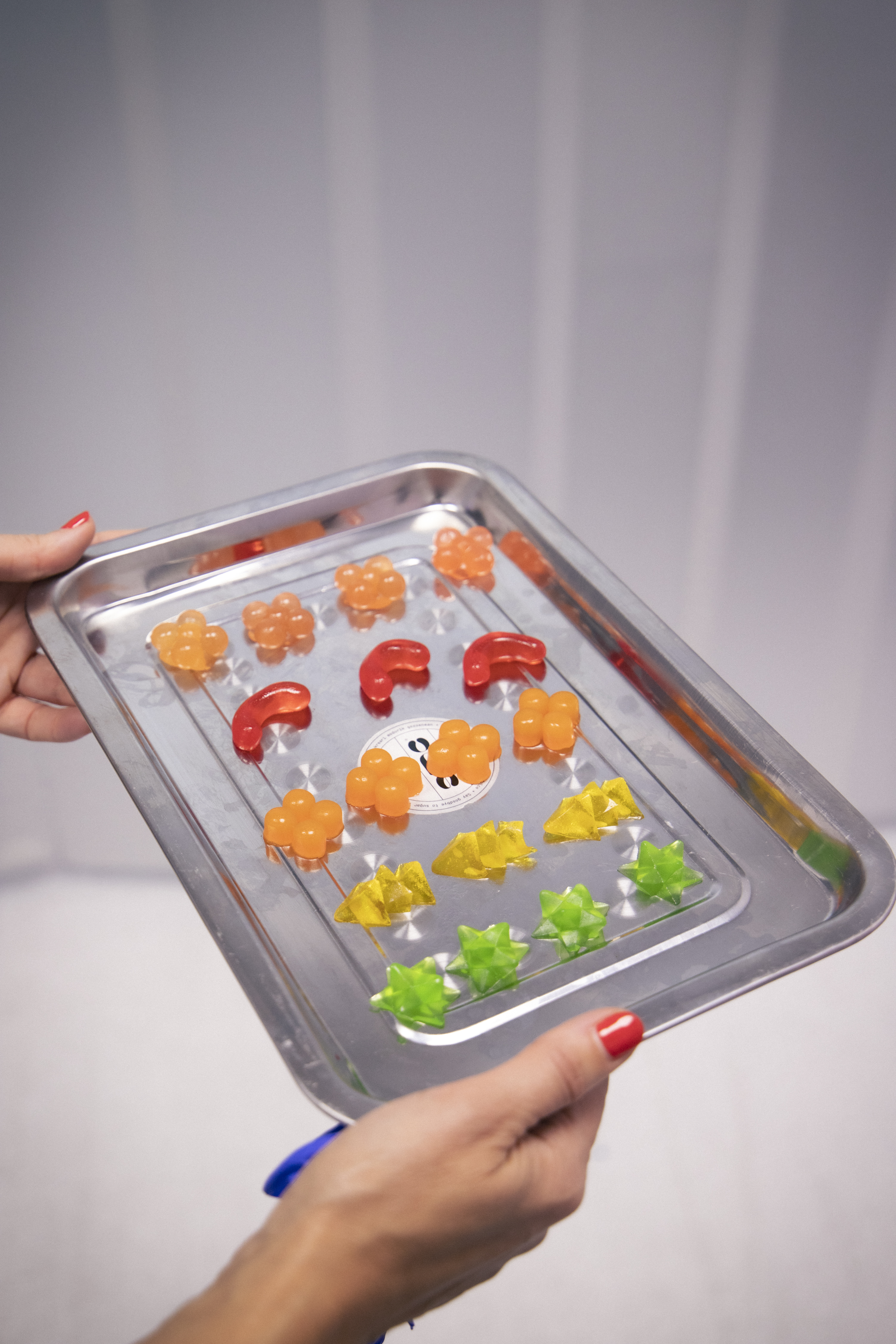
As a member of the BCC Alumni community, you have access to exclusive discounts on our programs and training activities. Below are the benefits available depending on the training you have previously completed:
I AM A BACHELOR’S OR MASTER’S ALUMNI
- 10% discount on Master’s programs
- 10% discount on Specialization Courses
- 10% discount on Intensive Courses, workshops, seminars and master classes
- 10% discount on WSET Courses (Levels 1, 2 and 3)
I AM A SPECIALIZATION COURSE ALUMNI
- 5% discount on Master’s programs
- 5% discount on Specialization Courses
- 10% discount on Intensive Courses, workshops, seminars and master classes
- 10% discount on WSET Courses (Levels 1, 2 and 3)
To benefit from the discount, if you want to take a master’s or specialization course (either online or on-site) you must complete the registration process as usual. The discount percentage will be applied to the last installment of the course and you will be notified at that time. After registering, you can let us know that you are Alumni by emailing alumni@bculinary.com. If you register with your @alumni account, this last step is not necessary. If the tuition fee is paid in a single payment, please contact alumni@bculinary.com before registering to request the discount code you need to enter during the registration process.
If a visa is required due to nationality, a type C (Schengen) visa must be requested to enter Spain.
International students must travel with the official documentation accrediting their enrollment on the course and proof of the health insurance that will cover them during their stay in Spain.
SCHOLARSHIPS AND FINANCIAL AID FOR MASTER’S PROGRAMS
Due to the official nature of the degree, students legally residing in Spain may apply for public scholarship or aid programs. International students can also seek funding and scholarships from institutions in their home countries that support studying abroad.
ERASMUS+ SCHOLARSHIPS
Students may apply for international mobility aid to complete internships in Europe under the Erasmus+ program.
EMPLOYABILITY SUPPORT FOR STUDENTS
To support students in finding employment during or after their studies, students on this Master’s will receive information on job offers received by the faculty.
During their stay they may also apply for the study-work scholarships offered by the Faculty and provide services in different departments: R&D, operations, cafeteria, etc.
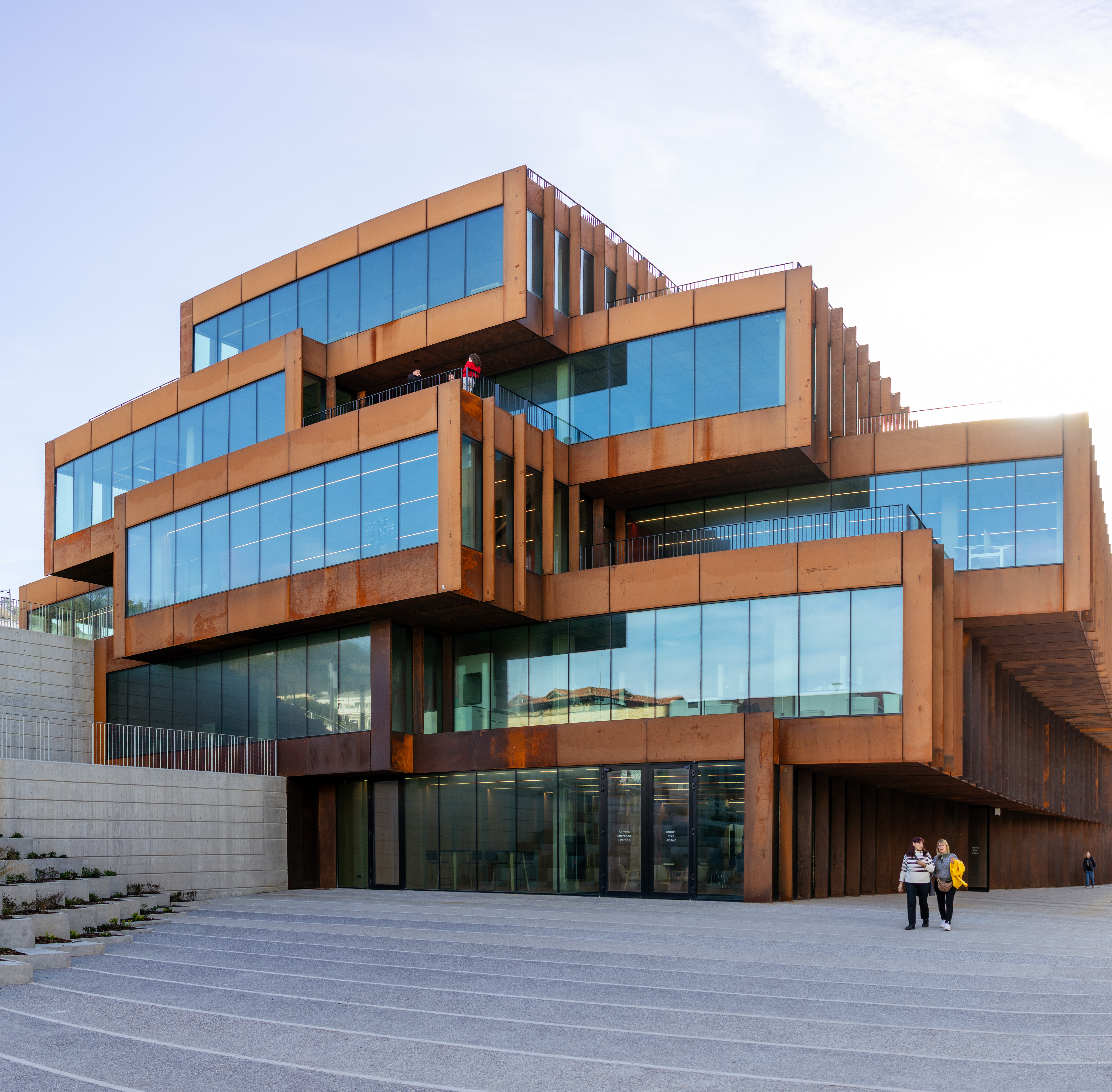
Conoce GOe: Un ecosistema gastronómico pionero
GOe – Gastronomy Open Ecosystem es un hub de innovación y conocimiento en gastronomía pionero en Europa, impulsado por Basque Culinary Center en Donostia–San Sebastián, donde se respira innovación, creatividad y excelencia. Este espacio nace con un propósito ambicioso: construir un futuro delicioso, saludable y sostenible desde la gastronomía, integrando talento, conocimiento y tecnología en un mismo entorno a la vez que se colabora con empresas e instituciones públicas.