New challenges, new solutions

Vivimos una situación compleja e inédita a nivel mundial para la que no contamos ni con fórmulas mágicas ni procesos que nos quien en la gestión de un escenario que se transforma a diario. Sectores como la formación y la restauración se están viendo muy afectados debido al parálisis de la actividad y cierre de negocios.
En Basque Culinary Center somos muy consciente de esta realidad y del rol que nos toca cumplir en esta situación de emergencia. Basque Culinary Center ha basado su desarrollo en el espíritu emprendedor de sus personas, en la innovación, en la pasión, en la excelencia y el compromiso. Estoy convencido que todos los que conformamos la Comunidad BCC, directores, gestores, profesores e investigadores y, los y las estudiantes responderemos de la mejor forma posible no solo en este periodo de alarma sino también cuando comencemos a recuperar la normalidad. Tendremos mucho que hacer para contribuir a la recuperación rápida de la gastronomía y la restauración.
El pasado 13 de marzo las autoridades decretaron la suspensión temporal de la actividad docente presencial. Desde ese momento, nuestra decisión ha sido no paralizar en ningún momento la actividad docente y aprendizaje y desarrollarla a través de una formación 100% online. El objetivo final ha sido no poner en riesgo el curso académico y desarrollar los procesos de formación necesarios para cumplir con los objetivos de aprendizaje y la adquisición de competencias previstas para cada curso.
Hemos tenido que hacer un gran esfuerzo de transformación digital en un tiempo record. Directores, gestores y profesores han dedicado un gran número de horas para implementar nuevas plataformas tecnológicas, rediseñar procesos académicos y generar nuevos contenidos. Como Facultad nos hemos reintentado y todas las personas que formamos Basque Culinary Center hemos aplicado creatividad e innovación a la hora de plantear nuevas soluciones. Nada de esto estaba previsto hace un mes y todo ello está ya disponible para más de 400 estudiantes.
Hemos realizado ese esfuerzo porque nuestra decisión fue no parar y no permitir que la suspensión temporal de la actividad docente presencial perjudicarse el curso académico. El nuevo modelo no supondrá menos exigencia, al contrario, exigirá una dedicación especial a estudiantes y profesores porque todos tendremos que adaptarnos a nuevos métodos de aprendizaje y responder adecuadamente a las exigencias previstas en él. Estamos seguro que el resultado de aprendizaje será magnífico.
Con la confianza de que esta situación temporal pasará en un periodo que espero sea breve y, de que mientras, aprovecharemos para capacitarnos y prepararnos para hacer frente a los nuevos retos que nos esperan en un futuro próximo. Nuevos Retos, Nuevas Soluciones.
Joxe Mari Aizega
Director de Basque Culinary Center
Basque Culinary Center will carry out its activity online
As reported today, March 12, the Basque Government has issued a statement establishing that teaching is temporarily suspended in educational centers, but will continue online, in the Basque Country for at least 15 days from tomorrow, Friday, March 13.
Basque Culinary Center will replace its face-to-face teaching with online classes, starting March 16. The academic activity will be carried out through different digital spaces and methodologies, maintaining the learning goals.
Basque Culinary Center will continue with its activities, always following the recommendations prescribed by health authorities.
Any changes to the current situation will be reported promptly.
From its conception, Basque Culinary Center has based its development in the entrepreneurial spirit of their members, in innovation, passion, excellence and commitment. We will face this challenge guided by these values. It is a challenge that involves the whole sector, to which we offer our collaboration.
GastroEducation - Congreso Internacional de Educación Gastronómica
Basque Culinary Center organiza la primera edición del Congreso Internacional de Docencia Gastronómica con el fin difundir, discutir e intercambiar conocimientos sobre el proceso de enseñanza-aprendizaje de las Ciencias Gastronómicas.
El evento dará cita a docentes, expertos y expertas del ámbito académico-pedagógico y profesionales de centros educativos, para discutir el futuro de un ámbito educativo en auge.
Durante las dos jornadas se analizarán las tendencias del sector, nuevas metodologías de aprendizaje y el rol de la tecnología y la digitalización en las aulas a través de conferencias, mesas redondas y talleres.
CALL FOR PAPERS
¡Forma parte del evento presentando tu paper! Si tu paper es seleccionado tendrás la oportunidad de realizar una exposición de 10 minutos, contestando a las preguntas finales de los asistentes. Las ponencias deberán ir acompañadas de una presentación.
El paper, que puede estar tanto en castellano como en inglés, deberá enmarcarse en alguno de los siguientes ámbitos:
ÁMBITO 1. Metodologías activas para la enseñanza-aprendizaje
ÁMBITO 2. Interdiciplinariedad y nuevos contenidos de la gastronomía
ÁMBITO 3. Diseño de sistemas de seguimiento y evaluación alineados con el Desarrollo de competencias
ÁMBITO 4. Nuevo rol del profesor
ÁMBITO 5. Rol y Experiencia del estudiante
ÁMBITO 6. Tecnologías de la Educación y Digitalización
Para presentarse al Call for papers de ponencias se debe enviar un documento con los siguientes datos:
- Nombre y apellidos del autor/es
- Institución para la que trabaja
- Breve CV del autor/es
- Correo electrónico del autor/es
- Ámbito al que pertenece el paper
- Título de la comunicación que se propone
- Abstract de la comunicación (10-15 líneas)
- Palabras clave (5-8 palabras)
Las fechas clave en la presentación de los papers son:
- Finalización Call for paper para las ponencias: 20 de abril
- Resolución de la selección de ponentes y Comunicaciones: 11 de mayo
- Envío de la presentación definitiva: 5 de Junio
Participa en la convocatoria enviando un correo electrónico a: gastroeducation@bculinary.com
Nominations Open for the 5th Edition of the Basque Culinary World Prize, celebrating chefs who ‘transform society through gastronomy’
Nominations open today for the Basque Culinary World Prize, an annual award for a trailblazing chef creating an impact “beyond the kitchen” in areas such as technology, innovation, education, environment, health, food production or social and economic development.
This unique and pioneer global award supported by some of the best chefs all over the world was created by Basque Culinary Center and the Basque Government. Now in its fifth year, it celebrates the impact gastronomy can have when chefs use their creativity, knowledge, leadership and entrepreneurialism to generate change within society.
An interdisciplinary jury, made up of some of the most influential chefs in the world, selects the winner together with academics and international experts. Every year they choose a chef whose work embodies the ethos of the prize: to transform society through gastronomy. The winner will receive 100,000 euros, which they will devote to an initiative of their choice that expresses the transformative power of gastronomy.
Nominations Open:
Gastronomic professionals and institutions have until May 4th – less than 90 days– to nominate chefs that demonstrate how gastronomy can become an engine of change. Nominations must be made through the Basque Culinary World Prize website: www.basqueculinaryworldprize.com
The Basque Culinary World Prize appeals to the collective knowledge of the gastronomic community to discover culinary professionals throughout the world who are transforming society. The award is open to anyone with a professional background in cooking– regardless of their culinary culture, nationality, fame or notoriety.
Nomination Process
At the closing of the nominations period, the candidates will be evaluated and ten finalists will be chosen by a technical committee, made up of leading academic and culinary experts.
The Basque Culinary World Prize winner will be selected from the ten finalists by the Prize Jury at the tenth annual meeting of the Basque Culinary Center International Council. Two-Michelin star chef and Prize Jury member, Yoshihiro Narisawa, will host this year’s winner announcement in Tokyo, Japan in September. This year’s jury will be chaired by Joan Roca and will include celebrated chefs such as Andoni Luis Aduriz (Basque Country), Eneko Atxa (Basque Country), Massimo Bottura (Italy), Manu Buffara (Brazil), Dominique Crenn (USA), Trine Hahnemann (Denmark), Yoshihiro Narisawa (Japan), and Enrique Olvera (Mexico).
The Basque Culinary World Prize has the support of some of the most influential chefs in the world, who highlight the importance of the initiative:
“The Basque Culinary World Prize is the most respected award among chefs, who, currently, take on gastronomy in a very different way. We now understand the great responsibility of our profession and the impact that food has on sustainability, from an environmental, economic and social perspective. In this 5th edition, we invite members of the gastronomic community worldwide to participate in the nominations. This way, this inspiring award will keep on discovering transformative and inspiring stories that may not have the public recognition they deserve, giving them a voice.” Joan Roca, president of the jury of the Basque Culinary World Prize and International Council of the Basque Culinary Center, chef of El Celler de Can Roca in Girona.
The history of the prize:
In 2019, American chef Anthony Myint was awarded for using cooking to tackle one of the most pressing challenges in today’s global society: climate change. Based in San Francisco, he leads initiatives such as Zero Foodprint which draw attention to the environmental impact of restaurants and provide tools for chefs to reduce or eliminate their business’ carbon footprint, regardless of location. Through the Perennial Farming Initiative, Myint has joined forces with the State of California to support sustainable agricultural practices.
In Myint’s own words, “I’m immensely honored to have won the Basque Culinary World Prize because I believe food and agriculture offer our best hope against climate change. A revolution is built one individual at a time and we’re trying to start a global movement.”
In previous years the prize has been awarded to Jock Zonfrillo (Australia, 2018) for bringing Australian indigenous cuisine to the mainstream and preserving this culinary heritage through documenting more than 1,200 native ingredients to navigate new ways in which they can be used; Leonor Espinosa (Colombia, 2017) for her Funleo foundation, which established an urban-to-rural food chain to empower Afro-Colombian communities in Colombia; and María Fernanda Di Giacobbe (Venezuela, 2016) whose Cacao de Origen initiative leveraged the cocoa industry to provide education, entrepreneurship, research and development opportunities to financially-vulnerable women in her homeland.
World Tourism Organization and Basque Culinary Centre Launch the 2nd Gastronomy Tourism Start-Up Competition
The World Tourism Organization (UNWTO) and the Basque Culinary Center have joined forces again for the second edition of the Global Gastronomy Tourism Startup Competition.
After the success of the first edition, the competition has returned to identify and celebrate disruptive ideas and innovators who will lead the transformation of the sector as well as those who are making a positive impact in their local communities.
In 2019, over 300 initiatives from 84 countries were submitted. Projects ranged from new technologies, community-based tourism development initiatives, innovation software and startups focused on innovation-driven agricultural sustainability. All of them help contribute to the advancement of the Sustainable Development Goals (SDGs).
For this second edition and with the support of the TUI Care Foundation, there will be two prizes. The first category will identify the initiative that is both innovative and has a sustainable social impact. The winning project will receive expert support from the Basque Culinary Center (the Culinary Action! initiative) and from UNWTO. The project will be showcased at the 6th UNWTO World Forum on Gastronomy. As well as receiving help in creating a work plan for the design or implementation of a pilot project, the winner will also have access to the Culinary Action! network, which offers mentoring, monitoring and the opportunity to scale-up the project using the latest digital tools available.
The other category will recognize the most disruptive gastronomy tourism startup overall. The winning company will design a pilot project alongside the Basque Culinary Center and implement it with the help of its network. It will also receive economic support to cover the expenses of the acceleration process with Culinary Action!, as well as accommodation and travel, for up to 3.000 euros.
UNWTO Secretary-General Zurab Pololikashvili said: "With this competition we are identifying key companies which will shape the future for food and travel. Gastronomy continues to prove its potential as a vital opportunity to enrich the tourism offer and stimulate economic development in destinations all around the world, especially in rural communities, with the potential to scale on a global level.”
Competition co-founder, Basque Culinary Center Director Joxe Mari Aizega added: “This competition allows us to identify and support entrepreneurial talent in gastronomy. There are entrepreneurs in different parts of the world who are promoting new initiatives that take advantage of the potential of gastronomy and tourism. Likewise, it allows us to provide training and to offer tools to help entrepreneurs to develop projects with the potential to transform and have a positive impact on both companies and destinations, promoting gastronomic tourism as a tool to guarantee the sustainability of the destination.”
The call for proposals for the 2nd UNWTO and Basque Culinary Center’s Global Gastronomy Tourism Startup Competition has been launched worldwide and will close on 6 April. The finalists of the Startups category and the winners of the Social Innovation Category will be announced on 4 May 2020.
The Startups category winner winning startup will be announced between 1 and 3 June, during the 6th Edition World Forum on Gastronomy Tourism to be held in Flanders, Belgium.
For more information and registration materials, visit https://www.gastronomytourismventures.org/
Basque Culinary Center presenta los 100 jóvenes talentos de la gastronomía
Hoy arranca el Foro de los Jóvenes Talentos más influyentes de la gastronomía, donde 100 profesionales compartirán sus experiencias a través de dos jornadas de ponencias, mesas redondas y talleres. En la inauguración del Foro se presentó la lista de los 100 Jóvenes Talentos de la Gastronomía.
Criterios para elaborar la lista de los 100 Jóvenes Talentos de la Gastronomía
El equipo de Basque Culinary Center se propuso identificar a los 100 jóvenes profesionales con una edad máxima de 30 años que representaran el talento sectorial de toda la cadena de valor de la gastronomía, para reunirles en un foro sin precedentes.
Con este objetivo, se desarrolló una labor de búsqueda de perfiles que destacaran por haber emprendido o innovado en sus respectivos campos o funciones, por haber recibido algún tipo de reconocimiento o por estar desarrollando una carrera o un proyecto con cierta proyección.
Esta búsqueda comenzó por consultar a los dueños de espacios de alta cocina (con estrella Michelin y/o presentes en la lista ‘The World’s 50 Best Restaurants’) sobre miembros de sus equipos con talento y proyección, dedicados a cocina, sala, sumillería, I+D, gestión y comunicación. También se identificaron a jóvenes cocineros o profesionales de la sala que han emprendido con la apertura de sus propios restaurantes, a cocineros jóvenes premiados con algún tipo de reconocimiento o nominados a premios en los últimos 2-3 años, así como a productores, bodegueros y enólogos. Finalmente, se tuvieron en cuenta las nuevas ‘start-ups’ del sector gastronómico puestas en marcha por jóvenes y otros perfiles más diversos de jóvenes que despuntan en diferentes ámbitos de la cadena de valor de la gastronomía.
De cada uno de estos tipos de perfiles, el equipo de BCC realizó una selección buscando una variedad de profesionales que resultara representativa del sector gastronómico, con la idea de retratar sus inquietudes e ideas en el Foro.
Radiografía de Los 100 Jóvenes Talentos de la Gastronomía
Más de la mitad de los profesionales que forman parte del listado (un 52%) pertenecen a equipos de restaurantes con estrella Michelin, algunos de ellos, presentes en la lista ‘The World’s 50 Best Restaurants’. Algo que puede reflejar una consolidada función de los espacios de alta cocina: son cantera de talento y de potenciales emprendedores que, en el futuro, pueden plantearse abrir sus propios negocios.
Otra parte del listado se reparte entre emprendedores que abren sus propios restaurantes (un 16%) y que en la mayoría de casos son cocineros; y productores, con un peso del 11%, un dato que dejan entrever que uno de cada 10 profesionales del listado se dedica a una actividad ligada al mundo rural. Porcentaje que subiría al 17% si se suma el 6% dedicado a la producción de vino.
El resto de “talentos” se reparte entre ‘startups’ (un 7%) y otros perfiles en torno a Ciencia, Investigación, Consultoría, Coctelería, Distribución o Comunicación de entornos gastronómicos.
En cuanto al área de especialización, ‘solo’ un 37% de los jóvenes seleccionados se dedica a la cocina (un 43%, si se incluye la cocina dulce-pastelería). Este dato pone de relieve que las nuevas generaciones han diversificado sus intereses y especializaciones profesionales, abarcando otros ámbitos como sala (un 16%), diferentes funciones de gestión (un 14%), actividades productivas (un 11-12%), la producción de vino (un 6%) o el lanzamiento de ‘startups’ que tratan de responder a través de la tecnología a diferentes necesidades de la industria gastronómica (un 7%).
Las nuevas generaciones parecen plantearse, por lo tanto, diferentes salidas profesionales, evidenciando que, ahora mismo, existen muchas profesiones en la gastronomía, no solo cocineros.
Bajo esta variedad de perfiles, el listado de los 100 puede constituir una posible muestra de la franja profesional más joven del sector gastronómico y podría considerarse un retrato aproximado del perfil de quienes están destinados a dibujar el futuro de la gastronomía en España.
Para consultar el programa y conocer los perfiles de los y las jóvenes talentos de la gastronomía a través del contenido interactivo del evento, consultar:
http://bit.ly/forojovenestalentosbcc
El Foro cuenta con el patrocinio institucional de Onekin, Hazi Fundazioa y del Departamento de Desarrollo Económico e Infraestructuras del Gobierno Vasco, el patrocinio de Martiko y Mahou San Miguel y la colaboración de Fagor Industrial, Arcos y Aravén.
NOTA 1: La lista final únicamente recoge a los 100 los jóvenes que han podido acudir al Foro.
ULTIMO III Congreso de la Asociación Española de Profesionales de Análisis Sensorial
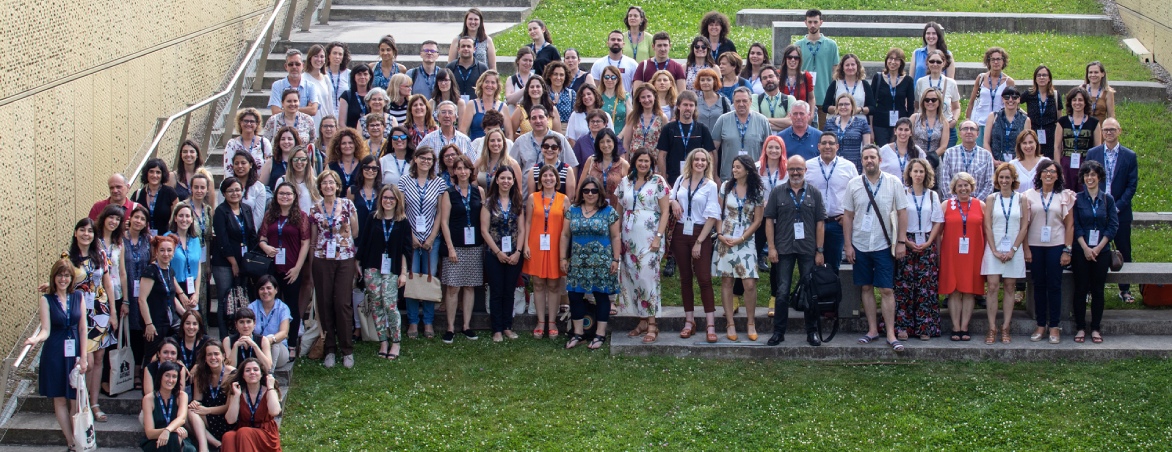
This past June, between the 26th and 28th, we hosted at Basque Culinary Center, the III AEPAS Congress, where more than 120 Sensory Analysis professionals of different nationalities gathered to exchange thoughts, new lines of research and explore new ways of looking at Gastronomy from the lenses of Sensory sciences - a common practice at BCCInnovation.
Thanks to the participation of prestigious international speakers, the event dealt with diverse topics such as Personalized foods linked to well-being, Food Quality, Sustainability and New Foods, always from the sensory science perspective.
During the 3 days, the discussed topics highlighted the importance of sensory analysis for both the food industry and for the gastronomy world. Guests of the stature of Michael Bom Frøst, Lisa Methven, Tormod Næs, Isolda Vila and Iñaki Etaio initiated the conversation, followed by more than 30 speakers from Spain, Mexico, and Portugal.
ULTIMO Joint Symposium UCLA
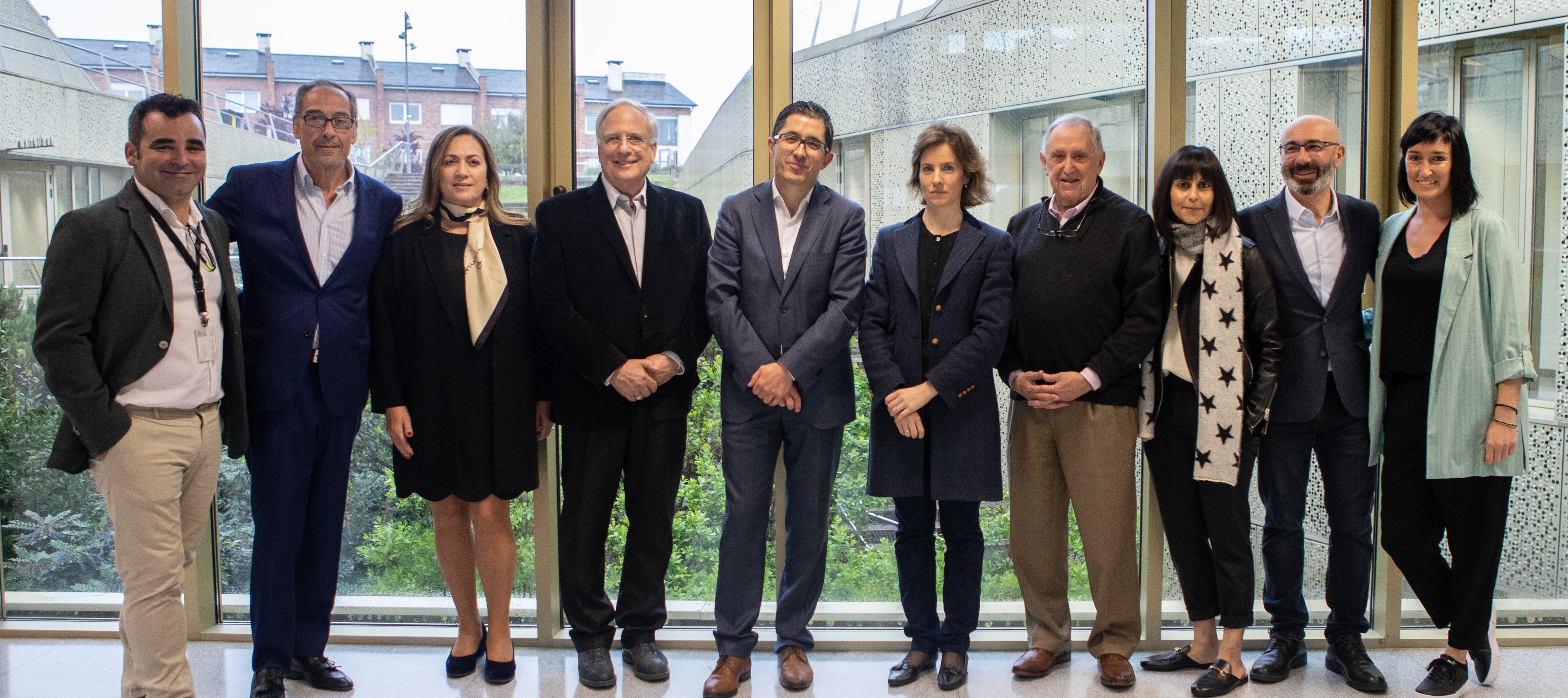
On April 10, 2019, Basque Culinary Center organized a scientific conference “Gastronomic science: form, function and creativity” in which experts from the Cedars-Sinai Medical Center (Los Angeles) as well as researchers from BCC participated. Representatives from diverse institutions were invited such as, the Basque Government, the City Council of Donostia-San Sebastián and Turespaña.
Throughout the day, various topics were addressed including the research work carried out in both centers. The addressed topics were related to sensory perception and emotions, personalized gastronomy, intestinal microbiota and fermented foods. The information provided by the experts was of interest for the attendees who came from different universities and also, from the food sector.
ULTIMO EATING BASED ON THE APPETITE OF OUR GENETICS AND MICROBIOTA

Ibermática has created an AI platform that seeks to be the key tool for researchers to promote personalised eating.
It's not exactly silent. Quite the contrary. And this is probably the most evident result of being part of the generation that is fully experiencing the fourth industrial revolution: that it is constantly being talked about.
And that, gradually, all sectors will find the way to make use of it. Because it may seem (perhaps because we use the same common denominator of Industry 4.0 to encompass everything) that Blockchain, Big Data or Artificial Intelligence only pertain to industrial processes - but this is far from the truth. At least this is what is the gastronomy sector claims. They already use drones for selective crop irrigation, Blockchain is a key component so that the consumer can see the entire process an item of food has gone through, and in research groups a PhD in nutrition already works with both a chef and a Big Data expert.
ULTIMO WE MUST TAKE ADVANTAGE OF THE FACT THAT LABe WILL ATTRACT NEW AUDIENCES

Although it is co-financed by the Provincial Government, the City Council and the Basque Government, the provincial institution will lead the LABe project, with 1.3 million euros from the total of 2.4 million that is the project's budget. «In the Economy department we felt strongly that we had to design Gipuzkoa’s strategic sectors, and one
of its strengths is gastronomy. We saw that we were a reference, from local products to the manufacture of home appliances. We had the entire value chain with all the stakeholders. What was missing? Including the digital transformation that is affecting all sectors», pointed out the provincial minister for Economic Promotion, Rural Environment and Territorial Balance, Ainhoa Aizpuru. In her opinion, «the Michelin star generation of chefs needs successors» and that is where LABe comes in.