Cursos Gastronomic tourism Open enrollment

Degree:

Certificate from the Faculty of Gastronomic Sciences at Basque Culinary Center

Language:

English

Dates:

October 27, 2026 to March 18, 2027

Duration:

9 ECTS

Schedule:

Thursdays, 4:00 p.m. to 5:30 p.m. (CEST)

Estimated Dedication:

Aproximadamente 12 horas semanales

Precio total:

2,930.00 EUR

Registration fee:

150.00 EUR

Amount in installments:

2,780.00 EUR

Place:

BCC

Presentation

Design unique gastronomic experiences for a connected world.

The Online Specialization Course in Gastronomy Tourism Experience Design is designed for professionals who want to specialize in the design, management, and promotion of gastronomic tourism experiences. Taught 100% in English and online, it combines high-quality content, live masterclasses with international experts, and a methodology for self-directed learning.

During the program, you will gain key skills to conceptualize tourism products, manage gastronomic destinations, and apply digital promotion strategies, all with a sustainable approach aligned with current industry trends.

An innovative program that connects gastronomy, culture, and tourism, strengthening your profile in a sector that is growing worldwide.

More than 10 years advancing knowledge in gastronomic tourism

Basque Culinary Center is an international reference institution in gastronomy and gastronomic tourism. Since 2015, BCC has advanced training, knowledge, and the professionalization of this discipline in collaboration with UNWTO, connecting gastronomy, tourism, territory, sustainability, and innovation.

This track record is reflected in international initiatives such as the World Forum on Gastronomy Tourism, co-organized by BCC and UNWTO, and in reference publications for the sector, such as the Guidelines for the Development of Gastronomy Tourism and the Handbook of Good Practices in Gastronomic Tourism.

BCC specialization courses in gastronomic tourism bring this experience into the classroom through practical, international, action-oriented training. An opportunity to learn from the knowledge developed alongside leading players in the sector and to develop projects that can add value to destinations, companies, institutions, and local communities.

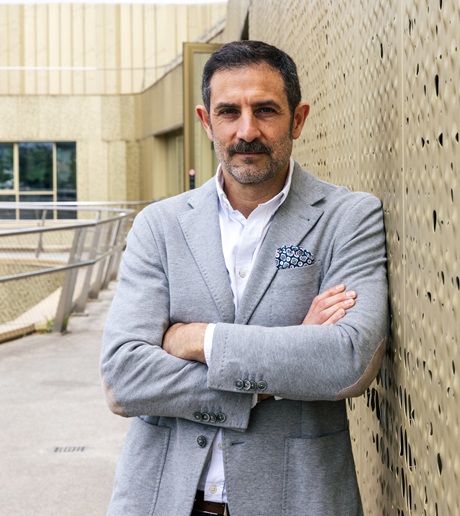
Get to know the Online Course in Gastronomy Tourism Experience Design through its coordinator:

Course objectives

Understand the foundations, trends, and current challenges of gastronomic tourism.

Design and manage memorable experiences, covering route planning, destination promotion, and the creation of unique culinary experiences.

Analyze the relationship between gastronomy, culture, and travel, exploring its impact on travelers’ decisions and satisfaction.

Integrate digital tools and marketing strategies for the promotion and commercialization of gastronomic tourism products.

Promote responsible practices that advance sustainability and preserve culinary heritage in the design of experiences.

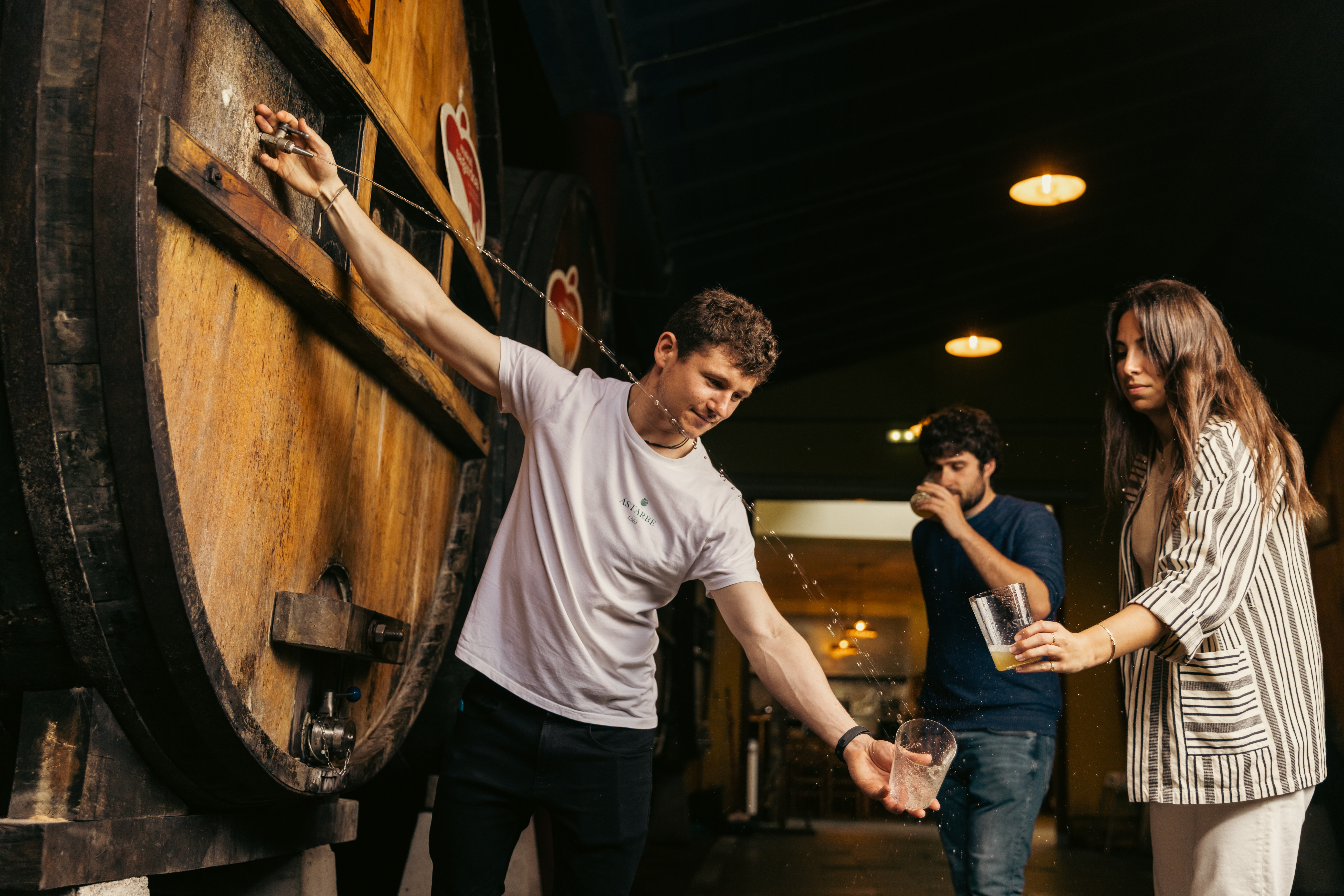
Personas en sidrería

Professional applications

This course is aimed at people with the following profiles:

  • Design and management of gastronomic experiences
    • Design and development of gastronomic experiences for different traveler profiles.
    • Creation and management of routes, activities, and tourism products linked to gastronomy.
    • Development of distinctive experiences that integrate gastronomy, culture, and territory.
  • Management of gastronomic destinations
    • Development of strategies to position destinations through their heritage and gastronomic offering.
    • Design of tourism products and services linked to local gastronomic identity.
    • Participation in projects to develop and promote gastronomic destinations.
  • Tourism marketing and communication
    • Design of communication and promotion strategies for gastronomic tourism products and experiences.
    • Development of branding and destination positioning strategies.
    • Application of digital tools and social media for tourism promotion.
  • Tourism and gastronomy consulting
    • Advice for companies, destinations, and institutions on developing gastronomic tourism proposals.
    • Participation in strategic projects related to gastronomy, tourism, and territory.
  • Entrepreneurship
    • Creation of new products, services, and businesses specialized in gastronomic tourism.
    • Development of business models based on authentic, sustainable gastronomic experiences.

Training program

  • The global landscape of the tourism sector.
  • The combination of gastronomy and tourism.
  • Gastronomic tourism: conceptualization, development, and trends.
  • The gastronomic tourism value chain in a tourism destination.
  • Case studies of gastronomic tourism destinations and companies.
  • Strategic planning: concept and need.
  • Assessment and planning tools.
  • Design of business models, products and services, and customer experiences.
  • Leadership and management roles.
  • Strategic planning versus strategic marketing.
  • Basic concepts of tourism demand and segmentation.
  • Profiles of gastronomic tourists and key studies on demand profiles in gastronomic tourism.
  • The gastronomic tourism user experience.
  • Methods and tools for understanding the gastronomic tourist.
  • Service culture: in pursuit of excellence.
  • The concept of the tourism experience.
  • Elements of a tourism experience.
  • Types of gastronomic tourism experiences.
  • Differentiation: specialization as a strategy.
  • Step-by-step design of gastronomic tourism experiences.
  • Case studies of standout experiences in gastronomic tourism.
  • Fundamentals of tourism marketing.
  • Branding: gastronomy as a tool for brand and positioning.
  • 360° communication and promotion strategies in gastronomic tourism: online and offline.
  • Marketing strategies.
  • Customer loyalty strategies.
  • Creation of a gastronomic tourism product or experience.
  • Development of a gastronomic tourism destination strategy.
  • Research in gastronomic tourism.
  • Other proposals may be accepted subject to evaluation by the course coordinator.

Language requirements

  • The entire course will be in English.
  • If you do not identify with the information above and you are interested in the course, please contact us. The course coordination team will assess your experience and guide you.

1. Tourism professionals


Professionals who want to specialize in gastronomic tourism and develop new skills to design and manage products and experiences linked to gastronomy.

  • Tour guides.
  • Travel agents.
  • Managers of tourism activities and companies.
  • Tourism consultants.

2. Gastronomy professionals


Gastronomy professionals interested in incorporating tourism as a new path for professional and business development.

  • Hotel and restaurant professionals.
  • Winery and market professionals.
  • Food company professionals.

3. Professionals from other disciplines


Professionals from different fields who want to specialize in the intersection of gastronomy and tourism.

  • Marketing and communication.
  • Journalism.
  • Economics and business.
  • Humanities.
  • Geography.
  • Sociology and anthropology.

4. Entrepreneurs


People who want to start a business or develop new products and services within the gastronomic tourism industry.


5. Recent graduates


Graduates who want to specialize their profile and steer their career toward gastronomic tourism.

  • Tourism.
  • Gastronomy and Hospitality.
  • Marketing and Communication.
  • Journalism.
  • Economics and Business.
  • Geography, Sociology, and Anthropology.
Calendar

Periods Dates Schedule and information
Academic period October 27, 2026 to March 18, 2027 Weekly live classes: Thursdays, 4:00 p.m. to 5:30 p.m. (CEST).
Module 0 · Introduction to the platform At the start of the academic period You will have the opportunity to get familiar with the course methodology and the learning platform.
Weekly study load Throughout the academic period Approximately 12 hours per week.
Access to materials After the course ends The content and materials available in the virtual classroom will remain accessible for the three months following the end of the course.

Methodology

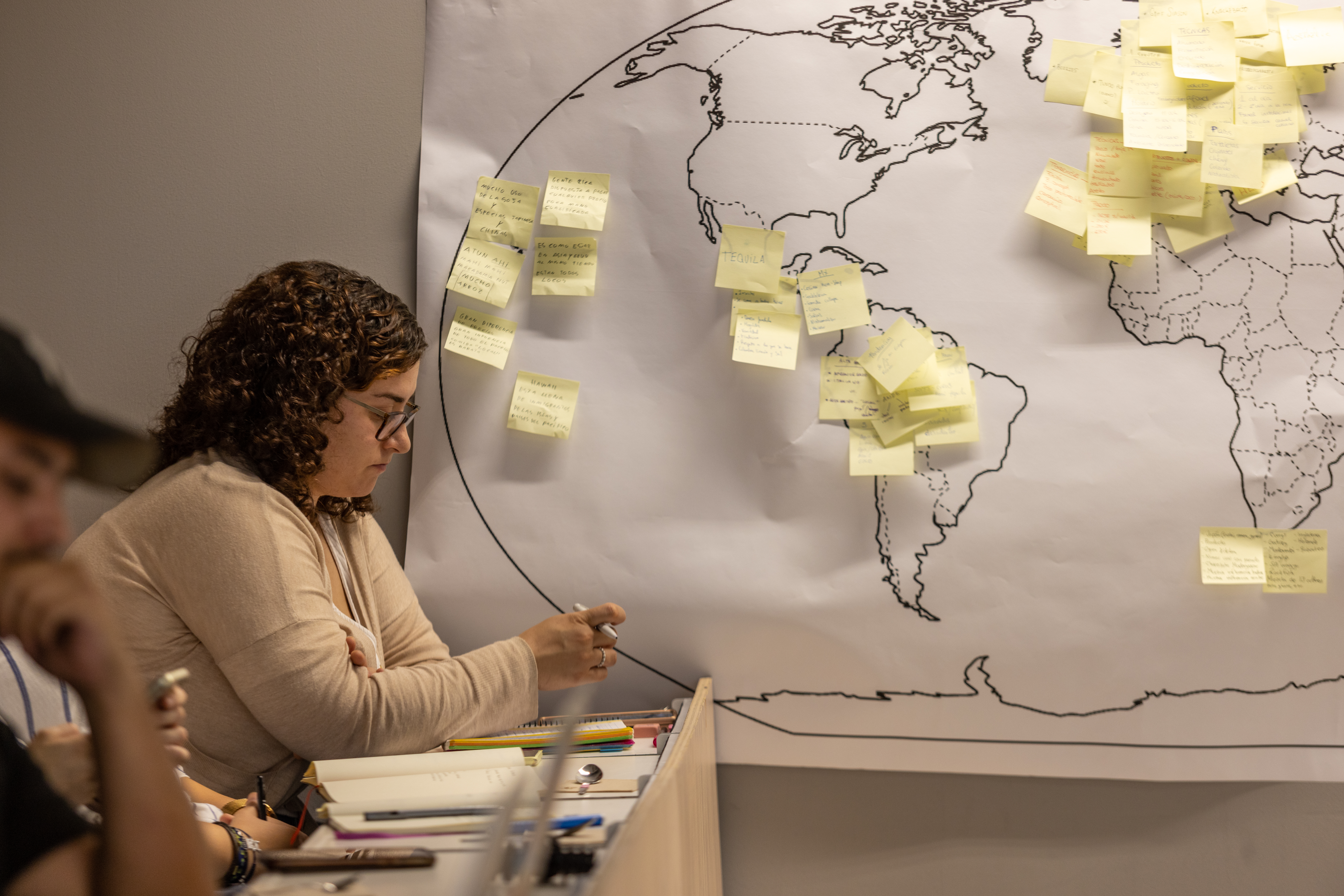
The Online Course is entirely in English and uses a learning by doing methodology, based on the idea that the best way to learn is through hands-on experience and direct action. Instead of focusing exclusively on theory and passive instruction, this methodology encourages students to gain knowledge and skills by actively taking part in practical activities and real projects. In addition, the course and its content have been designed specifically for online learning, which lets participants access a quality education from anywhere and at any time.

Faculty

Course coordination and tutor

He has been named one of the 150 most influential people in tourism in Spain for three consecutive years. He has worked in the tourism sector since 1995, with experience in different areas such as destination promotion, hospitality, training, and consulting. He holds a degree in Tourism Activities from the University of Deusto, a degree in Tourism from Nebrija University, and a master’s degree in Tourism Management from Bournemouth University. He is a professor and director of several programs related to tourism and hospitality at various universities. As a consultant, he has worked on numerous projects in Europe and Latin America. Since 2005, he has been involved in the development of gastronomic tourism projects. He has been an auditor of Rutas del Vino de España since 2007 and is a regular speaker at forums and conferences on gastronomic tourism.

Faculty and collaborators

You will have masterclasses and live classes with experts in gastronomic tourism such as:

Iñaki Gaztelumendi

colaborador experto

He has worked in the tourism sector for more than 25 years. He was Tourism Director of Santiago de Compostela. He is the founder and director of the consultancy Verne Tourism Experts. Associate lecturer on the gastronomic tourism training programs at Basque Culinary Center. He was technical director of the UNWTO-Basque Culinary Center World Forum on Gastronomic Tourism and co-author of the Guidelines for the Development of Gastronomic Tourism prepared by the UNWTO and Basque Culinary Center.

Eduardo Serrano

Colaborador experto

President of AIDABE - Ibero-American Association of Food and Beverage Directors, Hotel and Food Service Company Director. MBA in Business Administration, specialized in Strategic Planning and Creative Thinking. With over 30 years of experience as an entrepreneur, executive, consultant, researcher, and speaker in the leisure, tourism, hospitality, and restaurant industries, both nationally and internationally.

What our alumni say

I am a guide at a company specialized in the Camino de Santiago and in cultural and nature tourism. In this course, I have improved my skills in a tourism segment that is growing and has endless possibilities. Sharing this experience with colleagues from around the world and from different sectors has been truly enriching.
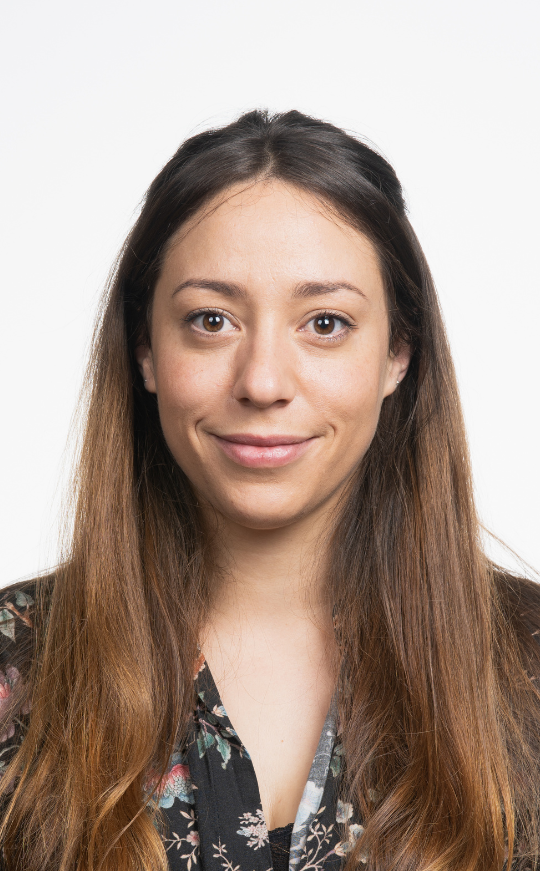

Laura Segade

Tourist guide

Both the content, presented with an engaging methodology, and the variety of speakers, many of them entrepreneurs or recognized experts in tourism, provided a solid balance. Likewise, the excellent coordination of the course, in terms of professionalism, dedication, and availability, made this training an excellent experience. I learned, researched, and shared, and thanks to the course I am now immersed in the field of gastronomic tourism. I currently work as a tourism consultant and, without a doubt, this has everything to do with the Gastronomy Tourism Experience Design course.


Lanzada Calatayud Álvarez

Tourism consultant

Meet our students

The total price of the course is 2.930 € - 100€ discount if you enroll before September 30.

Paid as follows:

  • Enrollment fee: 150 €
  • 40% of the total, that is, 1.112 €, must be paid when admission is confirmed in order to reserve your place
  • The remainder, 1.668 €, must be paid before the course starts

The price includes:

  • Access to the learning platform
  • Downloadable academic materials
  • Weekly live classes with practicing experts
  • Tutoring
  • Certificate issued by Basque Culinary Center

Refund and cancellation policy:

See the detailed information on our refund and cancellation policy.
As a member of the BCC Alumni community, you have access to exclusive discounts on our programs and training activities. Below are the benefits available depending on the training you have previously completed:

I AM A BACHELOR’S OR MASTER’S ALUMNI

  • 10% discount on Master’s programs
  • 10% discount on Specialization Courses
  • 10% discount on Intensive Courses, workshops, seminars, and master classes
  • 10% discount on WSET Courses (Levels 1, 2, and 3)

I AM A SPECIALIZATION COURSE ALUMNI

  • 5% discount on Master’s programs
  • 5% discount on Specialization Courses
  • 10% discount on Intensive Courses, workshops, seminars, and master classes
  • 10% discount on WSET Courses (Levels 1, 2, and 3)

To benefit from the discount, if you want to take a master’s or specialization course (either online or on-site) you must complete the registration process as usual. The discount percentage will be applied to the last installment of the course and you will be notified at that time. After registering, you can let us know that you are Alumni by emailing alumni@bculinary.com. If you register with your @alumni account, this last step is not necessary. If the tuition fee is paid in a single payment, contact alumni@bculinary.com before registering to request the discount code you need to enter during registration.

If a visa is required because of nationality, a type C (Schengen) visa must be requested in order to enter Spain.

International students must travel with the official documentation that proves their enrollment in the course and proof of the health insurance taken out, which will provide coverage during their stay in Spain.

SCHOLARSHIPS AND GRANTS FOR MASTER’S PROGRAMS

Given the official nature of the degree, students legally residing in Spain may apply for calls for public scholarships or grants. International students may also apply for funding and scholarships from institutions in their home countries that support study abroad.

ERASMUS+ SCHOLARSHIPS

Students may apply for an international mobility grant to complete internships in Europe under the Erasmus+ program.

SUPPORT FOR STUDENT EMPLOYABILITY

In order to support students in their job search, during or after their studies, students in this master’s program will receive information on the job offers received by the faculty.

During their stay they may also apply for the study-work scholarships offered by the Faculty and provide their services in the different departments: R&D, operations, cafeteria, etc.

Related products